Zesty Heights: Perfecting Lemon Meringue Pie
This post may contain affiliate links. Please read my disclosure policy.

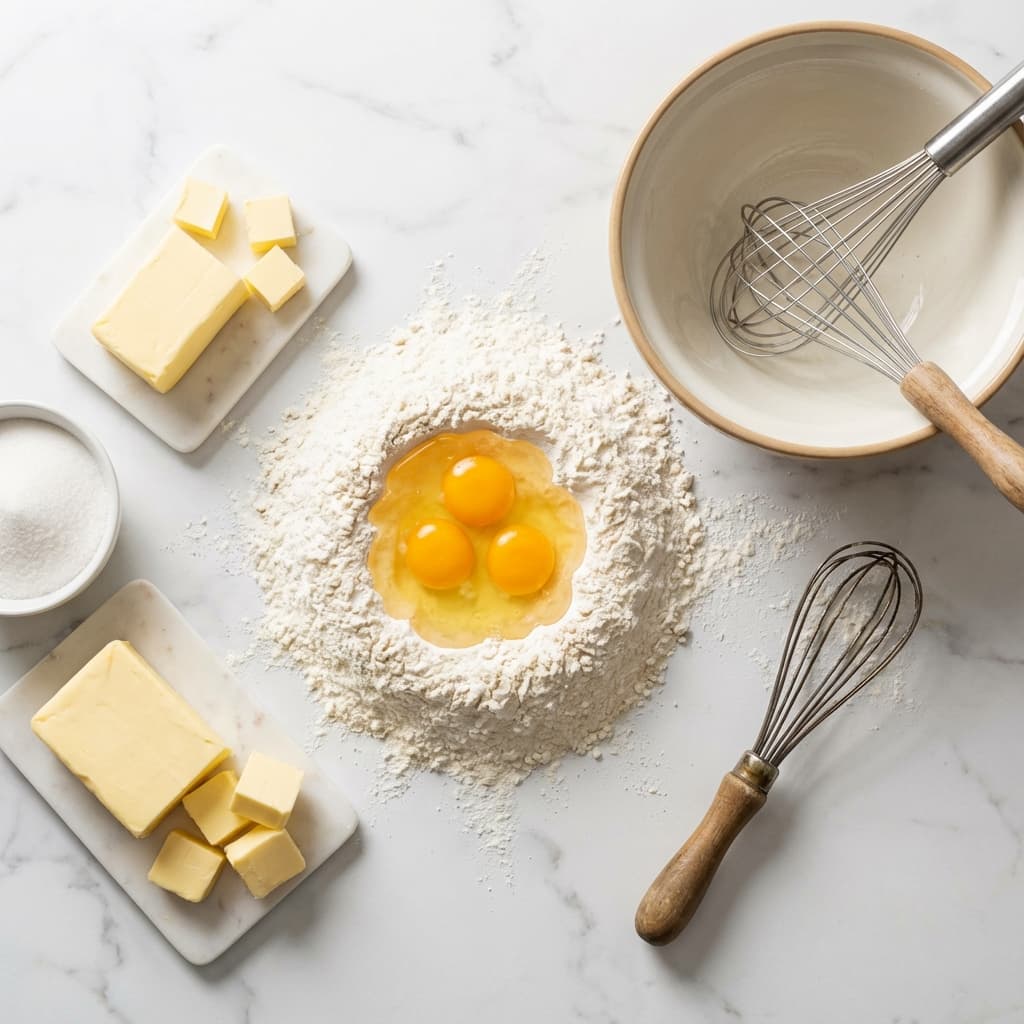
Welcome to Sarah Ait dahan's guide to baking a show-stopping Lemon Meringue Pie! This classic dessert is a delightful interplay of tangy lemon curd, ...
📑 Table of Contents
Zesty Heights: Perfecting Lemon Meringue Pie
Welcome to Sarah Ait dahan's guide to baking a show-stopping Lemon Meringue Pie! This classic dessert is a delightful interplay of tangy lemon curd, a flaky pastry crust, and a cloud of sweet, toasted meringue. Mastering its components – especially the balance of citrus and the stability of the meringue – is key to achieving a truly memorable pie.
The Science of Acid Coagulation & Meringue Stability
Lemon Meringue Pie is a testament to several critical scientific processes. The tangy lemon curd relies on the coagulation of egg yolks, thickened by heat and starch, with the acidity of lemon juice preventing the mixture from becoming too cloyingly sweet and also contributing to the setting. The meringue topping is a triumph of aerated protein: whipping egg whites creates a stable foam that traps air, and sugar then stabilizes this foam. The science of baking the meringue involves careful heat control to dry out the exterior and create a golden crust (Maillard reaction/caramelization) without weeping or collapsing, while keeping the interior fluffy. Too much acid or fat in the meringue can destabilize it, leading to a runny or weeping topping.

Tips & Variations for Lemon Meringue Pie
Tips for Pie Perfection:
- Blind Bake the Crust: A properly blind-baked crust is crucial to prevent a soggy bottom once the filling is added.
- Don't Overcook the Curd: Cook the lemon curd until it's thick enough to coat the back of a spoon, but don't let it boil vigorously, as it can curdle the eggs.
- Hot Curd, Cold Meringue (or vice-versa): Ensure one component is hot and the other relatively cool when assembling to prevent a soggy layer between them.
- Meringue Sealing: Spread the meringue all the way to the edges of the crust to seal it, preventing shrinkage and weeping.
- Gentle Baking of Meringue: Bake the meringue at a lower temperature or for a shorter time, or just torch it, to prevent it from drying out too much and becoming brittle.
Variations & Considerations:
- Crust: Use a classic shortcrust pastry, an Oreo crust for a chocolate twist, or a gluten-free pie crust.
- Lemon Curd: Adjust the lemon juice and sugar to your preference for tartness/sweetness. You can also add lime or orange zest for complexity.
- Meringue Types: While traditional uses French meringue, a Swiss or Italian meringue will be more stable and less prone to weeping.
- Toasted Meringue: Use a kitchen torch for a quick, even browning of the meringue peaks.
- Individual Tarts: Bake mini lemon meringue pies in tartlet pans or muffin tins.
- Lime Meringue Pie: Substitute lemon juice and zest with lime for a key lime pie variation.
- Coconut Meringue Pie: Add shredded coconut to the crust and/or filling, and sometimes to the meringue.
Save Your Calculations?
Get the Bakery Business OS to save recipes, track inventory, and manage orders in one place.
Reclaim Your Time →
Sarah Aitdahan
Sarah Aitdahan is the founder of Sweety's Bakery and the creator of this website. A lifelong baker with a passion for perfecting the classics, she believes that baking should be accessible and joyful for everyone. This website is her way of giving back to the incredible baking community by providing free tools, resources, and recipes.