The Maillard Magic: Understanding Browning in Baking | Sweety's Bakery
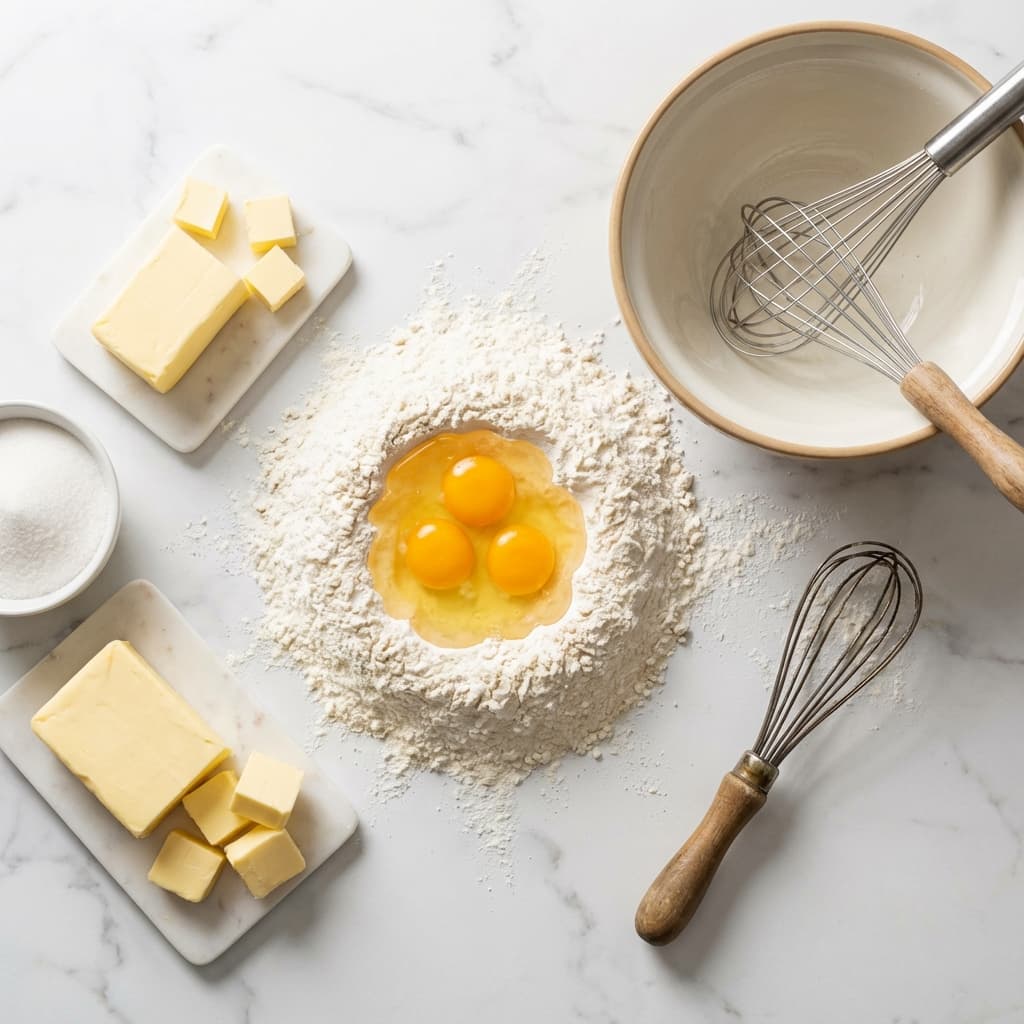
Welcome to Sweety's Bakery guide on one of the most delicious chemical reactions in baking: the Maillard Reaction. Responsible for the irresistible...
📑 Table of Contents
The Maillard Magic: Understanding Browning in Baking
Welcome to Sweety's Bakery guide on one of the most delicious chemical reactions in baking: the Maillard Reaction. Responsible for the irresistible golden crusts, rich aromas, and complex flavors of bread, cookies, roasted meats, and more, understanding this reaction is key to elevating your bakes from good to truly exceptional. This article delves into the science behind that beautiful browning and how to control it in your kitchen.
The Science of Non-Enzymatic Browning
The Maillard reaction is a complex series of non-enzymatic chemical reactions between amino acids (from proteins) and reducing sugars that occurs during heating. It's distinct from caramelization (which involves only sugar). As ingredients heat, these molecules rearrange, creating hundreds of new flavor and aroma compounds, and contributing to the characteristic golden-brown color. The intensity and types of flavors produced are influenced by temperature, pH levels, moisture content, and the specific types of amino acids and sugars present. Controlling these variables allows bakers to achieve desired crust color, flavor depth, and textural contrasts in their products.

Tips & Variations for Maillard Reaction in Baking
Tips for Encouraging Maillard Browning:
- Higher Temperatures: The Maillard reaction accelerates significantly at temperatures above 300°F (150°C).
- Alkaline Environment: A slightly alkaline surface (e.g., from baking soda baths for pretzels, or a pinch in a cookie recipe) can speed up the reaction.
- Reducing Sugars: Honey, maple syrup, and brown sugar contribute reducing sugars that readily participate in the reaction.
- Surface Moisture: While the overall product needs to dry out, a damp surface (like a spray of water for bread) can initially keep the surface cool enough for the reaction to occur before drying.
- Protein Content: Ingredients rich in protein (milk, eggs, certain flours) provide amino acids for the reaction.
Variations & Considerations:
- Bread Crust: Achieve a deep, flavorful bread crust by using steam in the oven initially (traps moisture on surface) and then a higher baking temperature.
- Cookies: Brown sugar and eggs contribute to the Maillard reaction, giving cookies their golden edges and chewy texture.
- Cakes: Cakes typically brown less intensely due to higher moisture and lower surface temperatures.
- Custards/Cremes: A torch (like for crème brûlée) can specifically induce Maillard browning and caramelization on the surface.
- Avoiding Over-Browning: If a product is browning too quickly, lower the oven temperature or tent with foil.
- Enhancing Flavor: Ingredients like malt powder or buttermilk can enhance the Maillard reaction's flavor development.
Save Your Calculations?
Get the Bakery Business OS to save recipes, track inventory, and manage orders in one place.
Reclaim Your Time →
Sarah Aitdahan
Sarah Aitdahan is the founder of Sweety's Bakery and the creator of this website. A lifelong baker with a passion for perfecting the classics, she believes that baking should be accessible and joyful for everyone. This website is her way of giving back to the incredible baking community by providing free tools, resources, and recipes.
.JPG&w=400&q=75&output=webp)
.JPG&w=400&q=75&output=webp)
.JPG&w=400&q=75&output=webp)
.JPG&w=400&q=75&output=webp)
.JPG&w=400&q=75&output=webp)
.JPG&w=400&q=75&output=webp)
.JPG&w=400&q=75&output=webp)
.JPG&w=400&q=75&output=webp)
.JPG&w=400&q=75&output=webp)
.JPG&w=400&q=75&output=webp)