The Secret to a Perfect Pie: How to Blind Bake Pie Crust
This post may contain affiliate links. Please read my disclosure policy.

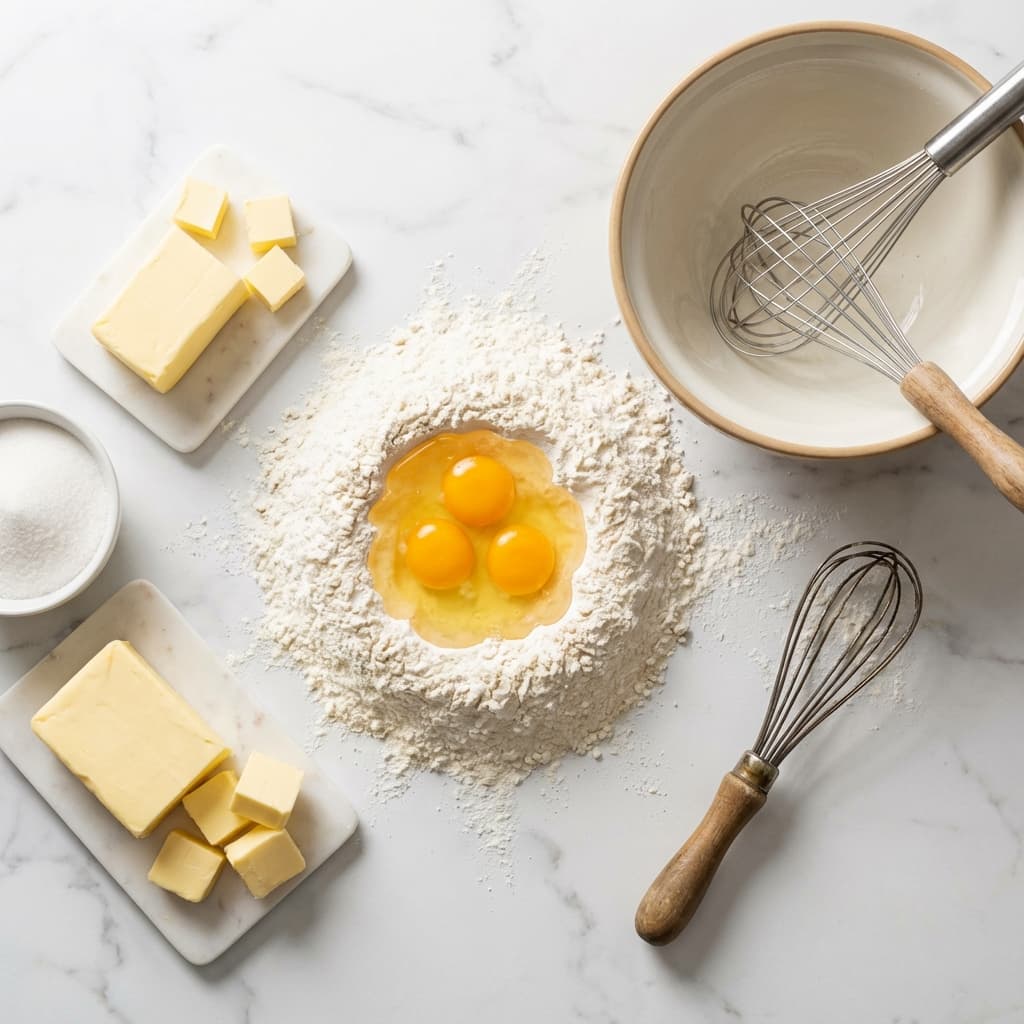
Welcome to Sarah Ait dahan's guide on mastering the essential technique of blind baking pie crust. Blind baking, or pre-baking, your pie shell is a c...
📑 Table of Contents
The Secret to a Perfect Pie: How to Blind Bake Pie Crust
Welcome to Sarah Ait dahan's guide on mastering the essential technique of blind baking pie crust. Blind baking, or pre-baking, your pie shell is a crucial step for many recipes, especially those with wet fillings (like quiches or cream pies) or no-bake fillings. It ensures a crisp, flaky base and prevents the dreaded soggy bottom. This article will demystify the process and provide tips for a perfectly blind-baked crust every time.
The Science of Gluten & Steam Prevention
Blind baking is a scientific strategy to control gluten development and manage moisture. When a pie crust bakes, the gluten in the flour can shrink, causing the crust to pull away from the pan or slump. Weighting the crust down during blind baking helps minimize this shrinkage. More importantly, it creates a barrier against the steam released by wet fillings. Without blind baking, the moisture from the filling can penetrate the uncooked dough, turning it soggy. Blind baking creates a fully cooked, sturdy foundation that can stand up to even the wettest fillings, thanks to the starches and proteins in the flour setting through heat.
Tips & Variations for Blind Baking Pie Crust
Tips for a Perfectly Blind-Baked Crust:
- Chill Your Dough: Always chill your rolled-out pie dough before blind baking. This helps the butter (or fat) stay cold, reducing shrinkage and promoting flakiness.
- Prick with a Fork: Gently prick the bottom and sides of the crust with a fork to allow steam to escape during baking, preventing bubbles and puffing.
- Use Pie Weights: Line the chilled crust with parchment paper and fill it with pie weights, dried beans, or rice. This keeps the crust from puffing up and helps maintain its shape.
- Start Hot, Then Reduce: Bake initially at a higher temperature to set the crust quickly, then reduce the temperature to finish baking.
- Bake Until Golden: Ensure the crust is golden brown and dry. For a fully baked crust (for no-bake fillings), it should look completely cooked.
Variations & Considerations:
- Full vs. Partial Blind Bake: For wet fillings that will be baked further (e.g., quiche, pumpkin pie), a partial blind bake (until edges are set and lightly golden) is sufficient. For no-bake fillings (e.g., cream pies, fresh fruit tarts), a full blind bake is needed.
- Different Crusts: This technique applies to various pie crusts – traditional butter crusts, shortcrust pastry, or even some gluten-free versions.
- Aluminum Foil: If you don't have parchment paper, you can use aluminum foil, but ensure it's crimped tightly around the edges.
- Protect the Edges: If the edges are browning too quickly, you can cover them with aluminum foil or a pie crust shield.
- Egg Wash: For an extra barrier against moisture, brush the par-baked crust with a lightly beaten egg white (for sweet pies) or egg yolk (for savory) and bake for a few more minutes.
Save Your Calculations?
Get the Bakery Business OS to save recipes, track inventory, and manage orders in one place.
Reclaim Your Time →
Sarah Aitdahan
Sarah Aitdahan is the founder of Sweety's Bakery and the creator of this website. A lifelong baker with a passion for perfecting the classics, she believes that baking should be accessible and joyful for everyone. This website is her way of giving back to the incredible baking community by providing free tools, resources, and recipes.