Professional Cake Decorating Techniques: From Beginner to Expert (2025 Guide)
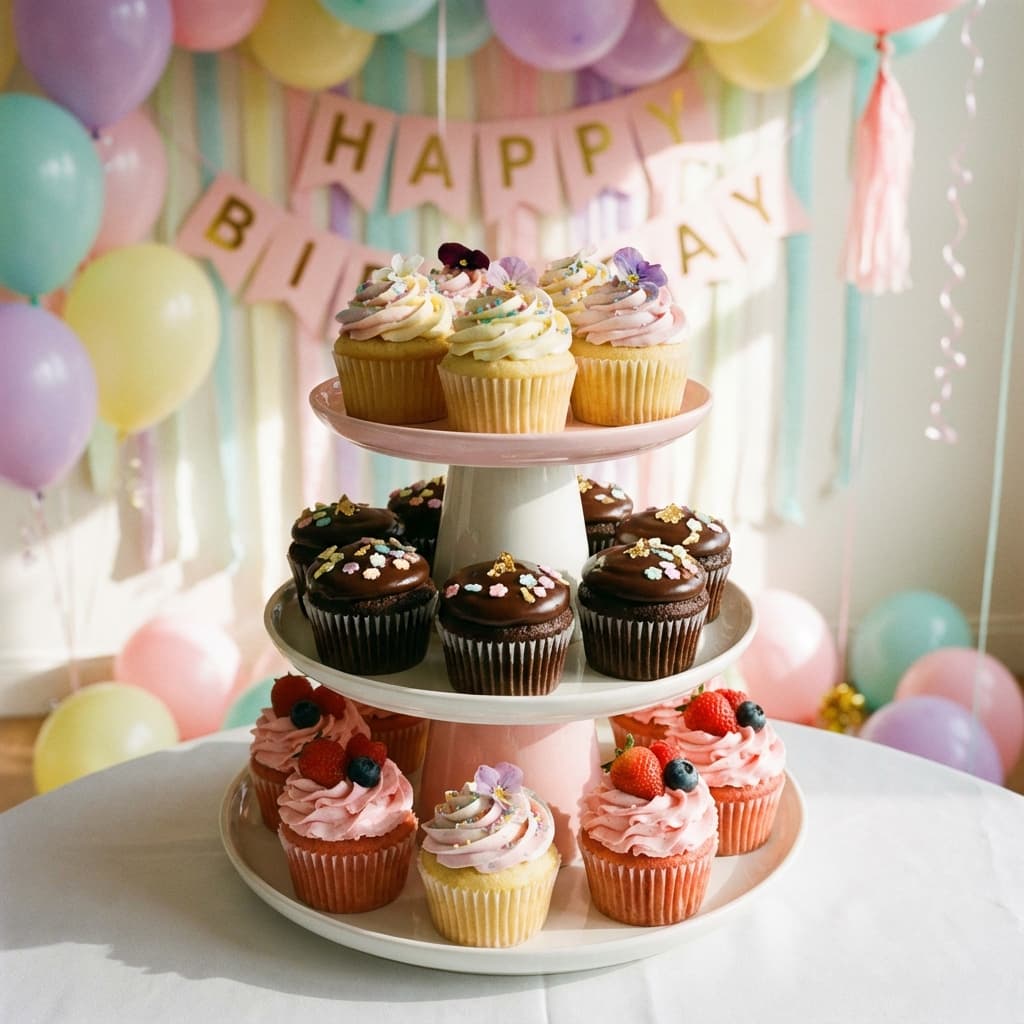
Master cake decorating like a pro! Learn essential techniques, tools, and expert tips for buttercream, fondant, piping, and advanced decorating. Transform your cakes from simple to stunning.
📑 Table of Contents
- Professional Cake Decorating Techniques: From Beginner to Expert
- Essential Cake Decorating Tools
- Mastering Buttercream: The Foundation
- The Crumb Coat: Your Secret Weapon
- Creating a Smooth Finish
- Piping Techniques: From Basic to Advanced
- Working with Fondant
- Color Theory for Cake Decorating
- Advanced Decorating Techniques
- Pricing Your Decorated Cakes
- Common Decorating Mistakes to Avoid
- Conclusion: Practice Makes Perfect
Professional Cake Decorating Techniques: From Beginner to Expert
Cake decorating is where baking becomes art. Whether you're creating a simple birthday cake or an elaborate wedding masterpiece, mastering professional decorating techniques elevates your cakes from homemade to bakery-quality. This comprehensive guide will take you from beginner basics to advanced techniques used by professional cake decorators.
Essential Cake Decorating Tools
Before diving into techniques, let's cover the essential tools every cake decorator needs:
Must-Have Tools for Beginners:
- Offset Spatula: For smooth frosting application (4-6 inch and 8-10 inch)
- Bench Scraper: Creates perfectly smooth sides
- Turntable: Essential for even frosting and decorating
- Piping Bags: Disposable or reusable (12-16 inch)
- Basic Piping Tips: Round tips (#2, #5, #12), star tips (#16, #21), petal tip (#104)
- Cake Leveler: For even, professional layers
- Cooling Racks: Proper cooling prevents cracking
Intermediate to Advanced Tools:
- Fondant Smoother: For flawless fondant finish
- Modeling Tools: For detailed fondant work
- Airbrush Kit: For gradients and artistic effects
- Flower Nails: For piping buttercream flowers
- Impression Mats: Add texture to fondant
- Stand Mixer: Essential for making large batches of frosting
For detailed equipment reviews and recommendations, check out our complete guide to stand mixers and food processors.
Mastering Buttercream: The Foundation
Buttercream is the most versatile frosting for cake decorating. Understanding different types and achieving the perfect consistency is crucial.
Types of Buttercream:
1. American Buttercream
- Pros: Easy, stable, sweet, holds shape well
- Cons: Very sweet, can feel grainy
- Best For: Piping decorations, beginners, room temperature stability
- Ratio: 1:2 butter to powdered sugar by weight
2. Swiss Meringue Buttercream (SMBC)
- Pros: Silky smooth, less sweet, stable
- Cons: More complex, temperature-sensitive
- Best For: Smooth finishes, elegant cakes, professional results
3. Italian Meringue Buttercream (IMBC)
- Pros: Most stable, glossy, professional
- Cons: Requires hot sugar syrup, technique-intensive
- Best For: Wedding cakes, hot weather, intricate piping
Use our buttercream calculator to determine exactly how much frosting you need for your cake size.
Achieving Perfect Buttercream Consistency:
- Too Thick: Add milk/cream, 1 tablespoon at a time
- Too Thin: Add powdered sugar or chill briefly
- Crusting Buttercream: Add a bit more powdered sugar for decorations that need to set
- Smooth Buttercream: Slightly thinner for smooth finishes
The Crumb Coat: Your Secret Weapon
The crumb coat is a thin layer of frosting that seals in crumbs, creating a smooth base for your final coat.
Perfect Crumb Coat Technique:
- Place your leveled, stacked cake on a turntable
- Apply a thin layer of frosting to the entire cake
- Use a bench scraper at a 45-degree angle, rotating the turntable
- Don't worry about perfection—crumbs are expected
- Chill for 15-30 minutes until firm
- Apply final coat over the chilled crumb coat
Pro Tip: A properly chilled crumb coat makes the final coat infinitely easier and creates professional-looking results.
Creating a Smooth Finish
The hallmark of professional cake decorating is a perfectly smooth finish.
Step-by-Step Smooth Finish:
- Apply Generous Frosting: More than you think you need
- Spread Evenly: Use offset spatula to distribute
- Smooth the Top: Hold spatula flat, rotate turntable
- Smooth the Sides: Hold bench scraper at 90-degree angle, rotate turntable in one continuous motion
- Clean Edges: Remove excess frosting from top edge
- Final Touches: Dip spatula in hot water, dry, and make final smoothing passes
The Hot Knife Trick:
For an ultra-smooth finish, dip your bench scraper or offset spatula in hot water, dry it completely, and make final smoothing passes. The slight warmth helps melt the buttercream for a flawless finish.
Piping Techniques: From Basic to Advanced
Beginner Piping Techniques:
1. Basic Borders
- Shell Border: Use star tip, squeeze and release while pulling away
- Rope Border: Use star tip, pipe in S-curve motion
- Bead Border: Use round tip, squeeze dots in continuous line
2. Writing and Lettering
- Use round tip #2 or #3
- Practice on parchment first
- Keep consistent pressure
- Lift tip slightly above surface for smooth lines
3. Basic Rosettes
- Use star tip #1M or #2D
- Hold bag at 90-degree angle
- Squeeze while moving in tight circle
- Release pressure and pull away
Intermediate Piping Techniques:
1. Buttercream Roses
- Use petal tip #104 on flower nail
- Pipe center cone
- Add 3 inner petals
- Add 5 middle petals
- Add 7 outer petals
- Freeze on parchment, transfer to cake
2. Ruffles
- Use petal tip #104
- Wide end down, narrow end up
- Move hand up and down while rotating turntable
- Creates elegant, flowing effect
3. Basket Weave
- Use basket weave tip #47
- Pipe vertical lines
- Pipe horizontal lines over and under verticals
- Creates woven texture
Advanced Piping Techniques:
1. Realistic Flowers
- Peonies, dahlias, ranunculus
- Requires multiple petal tips and techniques
- Layer petals for dimension
- Add details with smaller tips
2. Brush Embroidery
- Pipe royal icing outline
- Use damp brush to pull icing inward
- Creates delicate, painted effect
For inspiration and examples, browse our edible art gallery showcasing professional cake designs.
Working with Fondant
Fondant creates a smooth, flawless canvas for elaborate decorations.
Save Your Calculations?
Get the Bakery Business OS to save recipes, track inventory, and manage orders in one place.
Reclaim Your Time →Covering a Cake with Fondant:
- Prepare the Cake: Apply buttercream crumb coat, chill until firm
- Roll Fondant: On powdered sugar or cornstarch-dusted surface, roll to 1/8-inch thickness
- Measure: Fondant should be 4-6 inches larger than cake diameter
- Lift and Drape: Use rolling pin to lift, drape over cake
- Smooth Top: Use fondant smoother in circular motions
- Smooth Sides: Work from top down, smoothing out air bubbles
- Trim Excess: Use pizza cutter or sharp knife
- Final Smoothing: Use smoothers for flawless finish
Calculate exactly how much fondant you need with our fondant calculator.
Fondant Decorating Techniques:
- Cut-Outs: Use cookie cutters for shapes
- Embossing: Use impression mats or stamps
- Ruffles: Cut strips, ruffle edges with ball tool
- Bows and Ribbons: Cut strips, shape while pliable
- Flowers: Use gumpaste (firmer) for lasting flowers
Color Theory for Cake Decorating
Understanding color is crucial for creating visually stunning cakes.
Color Mixing Basics:
- Primary Colors: Red, yellow, blue (cannot be mixed)
- Secondary Colors: Orange (red + yellow), green (blue + yellow), purple (red + blue)
- Tertiary Colors: Mix primary with adjacent secondary
Achieving Specific Colors:
- True Red: Use no-taste red gel, start with pink base
- Black: Start with chocolate buttercream, add black gel
- Vibrant Colors: Use gel or paste colors, not liquid
- Pastels: Add tiny amounts of color to white
Our frosting color mixer helps you achieve perfect hues every time.
Advanced Decorating Techniques
1. Ombré Effect
- Create 3-5 shades of same color
- Apply darkest at bottom, lightest at top
- Blend where colors meet
- Smooth with bench scraper
2. Watercolor Effect
- Apply white buttercream base
- Dab gel colors randomly
- Blend with offset spatula or brush
- Creates artistic, painterly look
3. Geode Cakes
- Cut cavity in cake side
- Fill with rock candy or isomalt crystals
- Paint with edible gold or luster dust
- Dramatic, trendy effect
4. Drip Cakes
- Make ganache drip (use our ganache calculator)
- Cool to 90-95°F for perfect consistency
- Pipe around top edge
- Encourage drips with spoon or squeeze bottle
Pricing Your Decorated Cakes
Professional decorating takes time and skill—price accordingly!
Factors to Consider:
- Ingredient costs
- Decorating time (charge $30-75+ per hour)
- Complexity and skill level
- Specialty techniques (fondant, hand-painting, sugar flowers)
- Delivery and setup
Use our cake pricing calculator to ensure you're charging appropriately for your artistry.
Common Decorating Mistakes to Avoid
- Warm Buttercream: Always work with room-temperature frosting
- Skipping the Crumb Coat: This step is non-negotiable
- Overmixing Buttercream: Creates air bubbles
- Uneven Cake Layers: Always level your cakes
- Not Chilling Between Steps: Patience yields better results
- Using Dull Tools: Sharp edges create clean lines
Conclusion: Practice Makes Perfect
Cake decorating is a skill that improves with every cake you create. Don't be discouraged by early attempts—even professional decorators started as beginners. Focus on mastering one technique at a time, and soon you'll be creating bakery-quality cakes that wow everyone.
Remember, the most important ingredients in cake decorating are patience, practice, and creativity. Trust the process, embrace mistakes as learning opportunities, and most importantly, have fun!
Ready to start decorating? Explore our complete collection of baking and decorating tools to perfect your craft!
Related Resources:
Sarah Aitdahan
Sarah Aitdahan is the founder of Sweety's Bakery and the creator of this website. A lifelong baker with a passion for perfecting the classics, she believes that baking should be accessible and joyful for everyone. This website is her way of giving back to the incredible baking community by providing free tools, resources, and recipes.
.JPG&w=400&q=75&output=webp)
.JPG&w=400&q=75&output=webp)
.JPG&w=400&q=75&output=webp)
.JPG&w=400&q=75&output=webp)
.JPG&w=400&q=75&output=webp)
.JPG&w=400&q=75&output=webp)
.JPG&w=400&q=75&output=webp)
.JPG&w=400&q=75&output=webp)
.JPG&w=400&q=75&output=webp)
.JPG&w=400&q=75&output=webp)