Gluten-Free Baking Guide: Science, Substitutions & 15 Foolproof Recipes (2025)
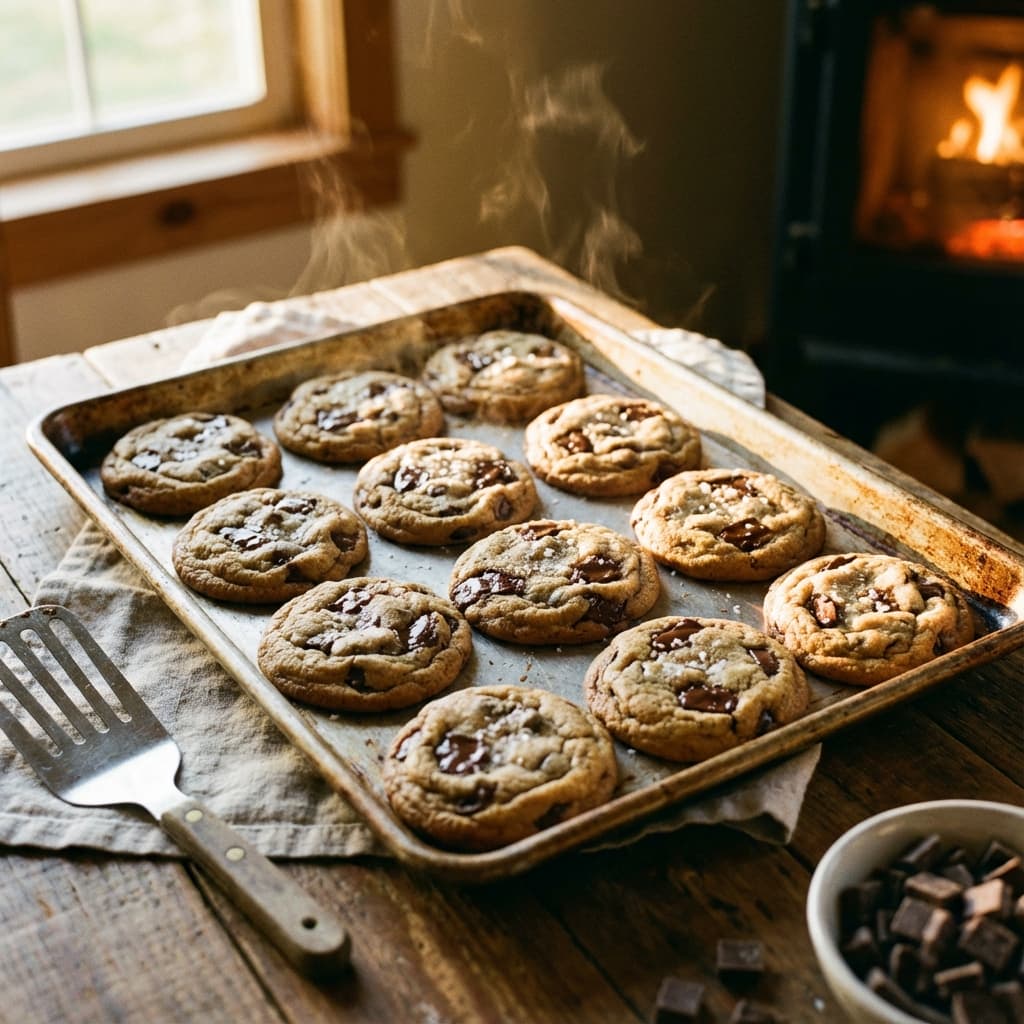
Master gluten-free baking with this complete guide! Learn the science, best flour substitutions, essential techniques, and get 15 tested recipes that actually work.
📑 Table of Contents
- Gluten-Free Baking Guide: Science, Substitutions & Foolproof Recipes
- Understanding Gluten: What Are You Replacing?
- The Best Gluten-Free Flour Blends
- Essential Gluten-Free Baking Ingredients
- Gluten-Free Ingredient Substitutions
- Essential Gluten-Free Baking Techniques
- Common Gluten-Free Baking Problems & Solutions
- 15 Foolproof Gluten-Free Recipes
- Gluten-Free Baking for Special Diets
- Essential Tools for Gluten-Free Baking
- Stocking Your Gluten-Free Pantry
- Cross-Contamination Prevention
- Cost-Saving Tips for Gluten-Free Baking
- Conclusion: Your Gluten-Free Baking Journey
Gluten-Free Baking Guide: Science, Substitutions & Foolproof Recipes
Gluten-free baking has a reputation for being tricky, but with the right knowledge and techniques, you can create baked goods that rival their gluten-containing counterparts. Whether you're baking for celiac disease, gluten sensitivity, or simply exploring healthier options, this comprehensive guide will help you master gluten-free baking.
Understanding Gluten: What Are You Replacing?
Before diving into gluten-free baking, it's important to understand what gluten does:
Gluten's Role in Baking:
- Structure: Creates the framework that holds baked goods together
- Elasticity: Allows dough to stretch without breaking
- Texture: Provides chewiness and prevents crumbliness
- Rise: Traps gas bubbles, allowing bread to rise
- Moisture Retention: Helps baked goods stay fresh longer
According to the Celiac Disease Foundation, successful gluten-free baking requires replicating these properties using alternative ingredients.
The Best Gluten-Free Flour Blends
No single gluten-free flour perfectly replaces wheat flour, which is why blends work best.
Commercial Gluten-Free Flour Blends:
1. Bob's Red Mill 1-to-1 Baking Flour
- Contains: Rice flour, potato starch, pea fiber, tapioca flour, xanthan gum
- Best For: Direct substitution in most recipes
- Pros: Convenient, reliable, includes xanthan gum
- Cons: More expensive than DIY blends
2. King Arthur Measure for Measure
- Contains: Rice flour, tapioca starch, potato starch, milk powder
- Best For: Cakes, cookies, quick breads
- Pros: Excellent texture, minimal aftertaste
- Cons: Contains dairy (not suitable for vegans)
Learn more about gluten-free flours from Bob's Red Mill, a trusted authority in gluten-free baking.
DIY Gluten-Free Flour Blend Recipe:
All-Purpose Gluten-Free Flour Blend:
- 2 cups (280g) white rice flour
- 2/3 cup (110g) potato starch (not potato flour!)
- 1/3 cup (45g) tapioca flour/starch
- 1 teaspoon xanthan gum per cup of blend (add when using)
Mix thoroughly and store in an airtight container. Use our measurement converter to scale this recipe up or down.
Essential Gluten-Free Baking Ingredients
Binding Agents (Gluten Replacements):
1. Xanthan Gum
- Use: 1/4 tsp per cup of flour for cookies, 1/2 tsp for cakes, 3/4-1 tsp for bread
- Function: Provides elasticity and prevents crumbling
- Note: Can cause digestive issues in some people
2. Guar Gum
- Use: Same ratios as xanthan gum
- Function: Similar to xanthan, slightly less effective
- Benefit: Better tolerated by sensitive digestive systems
3. Psyllium Husk Powder
- Use: 1-2 teaspoons per cup of flour
- Function: Excellent for bread, adds fiber
- Benefit: Natural, high in fiber
Moisture Enhancers:
- Extra Eggs: Add structure and moisture
- Applesauce or Mashed Banana: Adds moisture and binding
- Greek Yogurt or Sour Cream: Improves texture and moisture
- Extra Fat: Butter or oil prevents dryness
Gluten-Free Ingredient Substitutions
Use our ingredient substitution tool for quick reference, or follow these guidelines:
Flour Substitutions (Per 1 Cup All-Purpose Flour):
| Substitute | Amount | Best For |
|---|---|---|
| GF Flour Blend | 1 cup + xanthan gum | Everything |
| Almond Flour | 1 cup (denser) | Cookies, cakes, muffins |
| Coconut Flour | 1/4 cup + extra liquid | Absorbs lots of moisture |
| Oat Flour (certified GF) | 1 1/3 cups | Cookies, pancakes |
Binding Substitutions:
- 1 egg = 1 tablespoon ground flaxseed + 3 tablespoons water (let sit 5 minutes)
- 1 egg = 1 tablespoon chia seeds + 3 tablespoons water (let sit 5 minutes)
- 1 egg = 1/4 cup applesauce (for moisture, not structure)
Essential Gluten-Free Baking Techniques
1. Measure Accurately
Gluten-free baking is less forgiving than traditional baking. Always use a digital scale and measure by weight, not volume. Even small variations can affect results.
2. Let Batter Rest
Allow gluten-free batters to rest for 15-30 minutes before baking. This gives the flours time to hydrate, resulting in better texture.
3. Don't Overmix
Without gluten, you can't develop toughness by overmixing, but you can incorporate too much air, leading to collapse. Mix until just combined.
4. Add Extra Moisture
Gluten-free baked goods tend to dry out faster. Add an extra egg, use more fat, or include moisture-rich ingredients like applesauce or yogurt.
5. Bake at Lower Temperatures
Reduce oven temperature by 25°F and bake slightly longer. This prevents over-browning while ensuring the center cooks through.
6. Store Properly
Gluten-free baked goods stale quickly. Store in airtight containers, and consider freezing for longer storage.
Common Gluten-Free Baking Problems & Solutions
Problem #1: Crumbly, Dry Texture
Causes:
- Not enough binding agent (xanthan/guar gum)
- Insufficient moisture
- Overbaking
Solutions:
- Add 1/4-1/2 tsp xanthan gum per cup of flour
- Increase eggs, fat, or liquid by 10-20%
- Reduce baking time by 2-3 minutes
- Add applesauce, yogurt, or sour cream
Problem #2: Gummy, Dense Center
Causes:
- Too much xanthan gum
- Underbaking
- Too much moisture
Solutions:
- Reduce xanthan gum by half
- Bake longer at slightly lower temperature
- Reduce liquid by 2-3 tablespoons
- Let batter rest before baking
Problem #3: Flat, Doesn't Rise
Causes:
Save Your Calculations?
Get the Bakery Business OS to save recipes, track inventory, and manage orders in one place.
Reclaim Your Time →- Old leavening agents
- Not enough binding
- Batter too thin
Solutions:
- Use fresh baking powder/soda
- Add xanthan or guar gum
- Add 2-4 tablespoons more flour
- Add an extra egg for structure
Problem #4: Grainy Texture
Causes:
- Coarse flour grind
- Not enough liquid
- Insufficient mixing
Solutions:
- Use finely ground flours
- Let batter rest 20-30 minutes
- Increase liquid by 2-3 tablespoons
- Blend flours in food processor for finer texture
15 Foolproof Gluten-Free Recipes
Breakfast:
- Fluffy Gluten-Free Pancakes - Light, tender, and delicious
- Blueberry Muffins - Moist with perfect crumb
- Cinnamon Coffee Cake - Buttery with crunchy topping
Cookies & Bars:
- Chocolate Chip Cookies - Chewy centers, crispy edges
- Peanut Butter Cookies - Naturally gluten-free, 3 ingredients
- Lemon Bars - Tangy, sweet, perfect shortbread crust
- Brownies - Fudgy, rich, indulgent
Cakes:
- Vanilla Birthday Cake - Tender, moist, bakery-quality
- Chocolate Cake - Rich, decadent, foolproof
- Carrot Cake - Spiced, moist, cream cheese frosting
Bread:
- Sandwich Bread - Soft, sliceable, perfect for toast
- Dinner Rolls - Fluffy, buttery, pull-apart
- Pizza Dough - Crispy crust, chewy center
Special Occasions:
- Pie Crust - Flaky, tender, holds together
- Cupcakes - Light, fluffy, professional quality
Use our recipe scaler to adjust any of these recipes for different serving sizes.
Gluten-Free Baking for Special Diets
Gluten-Free + Dairy-Free:
- Replace butter with coconut oil or vegan butter
- Use almond milk, oat milk, or coconut milk
- Substitute Greek yogurt with coconut yogurt
Gluten-Free + Egg-Free:
- Use flax or chia eggs (1 tbsp ground + 3 tbsp water per egg)
- Add extra xanthan gum for binding
- Increase baking powder slightly for lift
Gluten-Free + Low-Sugar:
- Use almond flour or coconut flour (naturally lower carb)
- Substitute sugar with erythritol or monk fruit
- Add extra vanilla or spices for flavor
Essential Tools for Gluten-Free Baking
- Digital Scale: Accuracy is crucial
- Fine-Mesh Sieve: For sifting flour blends
- Stand Mixer: For thorough mixing
- Parchment Paper: Prevents sticking (GF baked goods are more delicate)
- Instant-Read Thermometer: Ensures proper doneness
Stocking Your Gluten-Free Pantry
Essential Flours:
- White rice flour
- Brown rice flour
- Tapioca starch/flour
- Potato starch
- Almond flour
Binding Agents:
- Xanthan gum
- Psyllium husk powder
- Ground flaxseed
Specialty Ingredients:
- Coconut flour
- Oat flour (certified GF)
- Sorghum flour
- Arrowroot starch
Cross-Contamination Prevention
For those with celiac disease, preventing cross-contamination is critical:
- Dedicated Tools: Use separate cutting boards, utensils, and baking pans
- Clean Workspace: Thoroughly clean all surfaces before baking
- Separate Storage: Store GF ingredients away from gluten-containing ones
- Read Labels: Check for "certified gluten-free" labels
- Dedicated Toaster: Never share toasters with gluten bread
For comprehensive food safety guidelines, consult the FDA's gluten labeling regulations.
Cost-Saving Tips for Gluten-Free Baking
Gluten-free ingredients can be expensive. Here's how to save:
- Buy in Bulk: Purchase flours in large quantities from warehouse stores
- Make Your Own Blends: DIY blends cost 50-70% less than commercial ones
- Use Naturally GF Ingredients: Almond flour, coconut flour, oats are often cheaper
- Shop Online: Compare prices on Amazon, Thrive Market, or Vitacost
- Freeze for Freshness: Buy in bulk and freeze to prevent waste
Conclusion: Your Gluten-Free Baking Journey
Gluten-free baking is a skill that improves with practice. While it requires different techniques and ingredients than traditional baking, the results can be just as delicious—sometimes even better! Don't be discouraged by initial failures; every baker has experienced collapsed cakes and crumbly cookies.
The key is understanding the science, using quality ingredients, measuring accurately, and being patient with the process. With time, you'll develop an intuition for gluten-free baking and create treats that everyone will love, regardless of dietary restrictions.
Ready to start your gluten-free baking journey? Use our complete collection of baking tools to perfect your measurements, substitutions, and recipes!
Related Tools:

Sarah Aitdahan
Sarah Aitdahan is the founder of Sweety's Bakery and the creator of this website. A lifelong baker with a passion for perfecting the classics, she believes that baking should be accessible and joyful for everyone. This website is her way of giving back to the incredible baking community by providing free tools, resources, and recipes.
.JPG&w=400&q=75&output=webp)
.JPG&w=400&q=75&output=webp)
.JPG&w=400&q=75&output=webp)
.JPG&w=400&q=75&output=webp)
.JPG&w=400&q=75&output=webp)
.JPG&w=400&q=75&output=webp)
.JPG&w=400&q=75&output=webp)
.JPG&w=400&q=75&output=webp)
.JPG&w=400&q=75&output=webp)
.JPG&w=400&q=75&output=webp)