
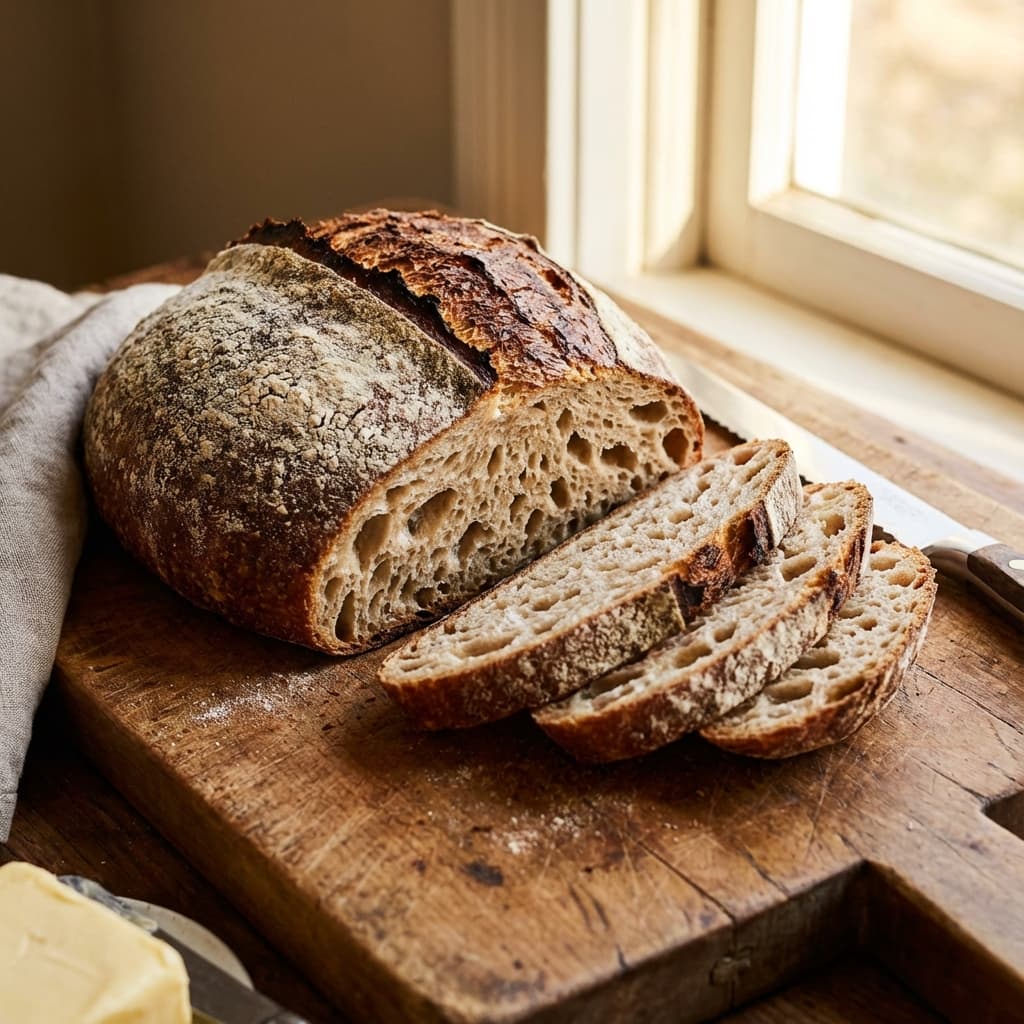
Welcome to Sarah Ait dahan's comprehensive guide to creating and maintaining your own sourdough starter! This ancient method of leavening bread offer...
📑 Table of Contents
The Living Loaf: Your Sourdough Bread Starter Guide
Welcome to Sarah Ait dahan's comprehensive guide to creating and maintaining your own sourdough starter! This ancient method of leavening bread offers unparalleled flavor, texture, and a deeply satisfying baking experience. Starting a sourdough journey might seem daunting, but with this guide, you'll learn the science and art of nurturing your starter, leading to beautiful, tangy loaves.
The Science of Wild Yeast Fermentation
A sourdough starter is a living culture of wild yeasts and lactobacilli bacteria, harnessing the power of natural fermentation. The scientific process involves these microorganisms consuming sugars in flour and water, producing carbon dioxide (which makes bread rise), lactic acid, and acetic acid. The acids contribute to sourdough's characteristic tangy flavor, tenderize the crumb, and act as natural preservatives. Regularly "feeding" the starter (with fresh flour and water) maintains its microbial balance and activity, ensuring it remains robust and ready to leaven your bread. Understanding this symbiotic relationship is key to a thriving starter and flavorful bread.

Tips & Variations for Sourdough Starter Success
Tips for Nurturing Your Sourdough Starter:
- Use Unbleached Flour: Unbleached all-purpose or bread flour works best, as it contains more natural enzymes and nutrients for the wild yeasts.
- Filtered Water: Chlorine in tap water can inhibit yeast activity. Use filtered or bottled water.
- Consistent Feeding Schedule: Especially when establishing a new starter, feed it regularly at the same time each day (or twice a day) to build strength.
- Warm Environment: A consistent warm temperature (70-78°F / 21-26°C) is ideal for active fermentation.
- Observe & Listen: Your starter will tell you its health through bubbles, smell, and how it rises and falls.
Variations & Considerations:
- Flour Type: Experiment with different flours for feeding (rye, whole wheat) to alter flavor and activity.
- Feeding Ratios: Adjust flour-to-water-to-starter ratios to control activity and acidity. Common ratios are 1:1:1 or 1:2:2.
- Storage: Once established, you can store your starter in the refrigerator and feed it once a week. Bring to room temperature and feed a few times before baking.
- Discard Uses: Don't throw away discard! Use it for pancakes, waffles, crackers, or crumpets.
- Dehydrated Starter: You can dehydrate a portion of your active starter for long-term storage or to share with friends.
- Troubleshooting: Common issues include sluggishness (needs more frequent feeding or warmer temps), mold (discard and restart), or separation (normal, just stir).
Save Your Calculations?
Get the Bakery Business OS to save recipes, track inventory, and manage orders in one place.
Reclaim Your Time →