
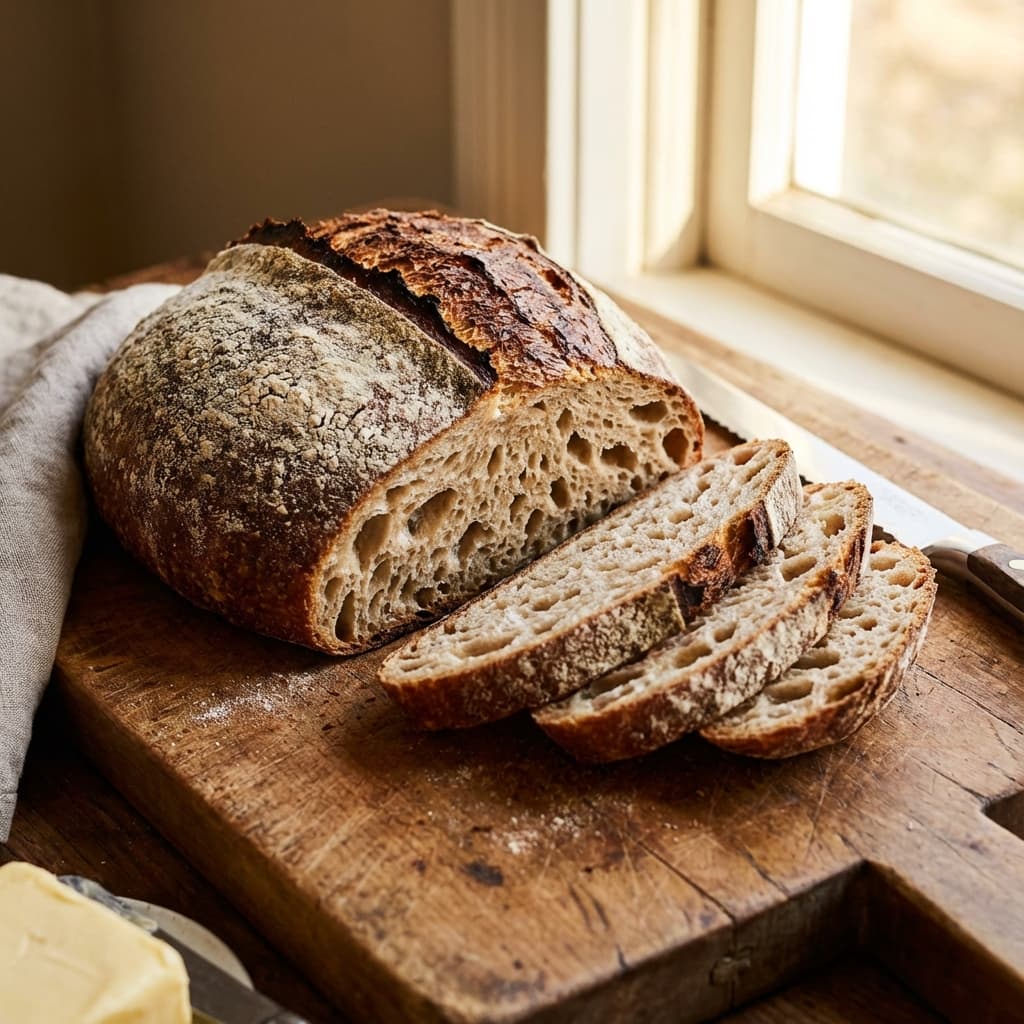
Welcome to Sarah Ait dahan's guide to common bread baking mistakes and how to fix them! Bread baking is a rewarding craft, but it often comes with a ...
📑 Table of Contents
Beyond the Bake: Common Bread Baking Mistakes & Fixes
Welcome to Sarah Ait dahan's guide to common bread baking mistakes and how to fix them! Bread baking is a rewarding craft, but it often comes with a learning curve. From dense loaves to flat crusts, many common issues can be easily diagnosed and corrected with a little scientific understanding and adjustment. This article will help you troubleshoot your way to consistently perfect homemade bread.
The Science of Dough Structure, Fermentation & Heat
Bread baking is a delicate interplay of yeast activity, gluten development, and heat transfer. Mistakes often arise from imbalances in these scientific processes. For example, a dense loaf can result from insufficient fermentation (not enough CO2 production by yeast) or over-kneading (developing too much gluten, making it tight). A collapsed loaf might stem from over-proofing (weakening the gluten structure) or an oven that's too cool (insufficient oven spring). Understanding the 'why' behind these common errors—the specific chemical and physical reactions involved—empowers you to troubleshoot and adapt your technique for consistently better results.

Tips & Variations for Troubleshooting Bread Bakes
Tips for Diagnosing & Fixing Problems:
- Accurate Measurements: Always measure ingredients precisely by weight. Slight variations, especially in flour or water, can significantly impact dough consistency.
- Temperature Control: Ensure your water for yeast is at the correct temperature and your kitchen environment is suitable for proofing.
- Observe Your Dough: Pay attention to how your dough feels, looks, and smells at each stage. This sensory feedback is crucial.
- Don't Rush Proofing: Give the yeast adequate time to work. Underoofed dough will be dense; overproofed dough might collapse.
- Check Your Oven: An oven thermometer is invaluable for ensuring your oven bakes at the temperature you set.
Variations & Common Mistakes:
- Dense, Heavy Loaf:
- Cause: Under-proofing, not enough water, under-kneading, old yeast.
- Fix: Increase proofing time, check yeast activity, ensure proper hydration, knead more.
- Crumbly or Dry Bread:
- Cause: Too much flour, overbaking, not enough fat/liquid.
- Fix: Measure flour by weight, reduce baking time, adjust hydration.
- Flat Bread with No Rise:
- Cause: Dead yeast, cold water, salt directly on yeast, under-kneading, insufficient proofing.
- Fix: Check yeast expiration, use correct water temperature, ensure salt is mixed in, proper kneading/proofing.
- Large Holes, Uneven Crumb:
- Cause: Over-proofing, insufficient shaping, too high hydration for skill level.
- Fix: Reduce proofing time, improve shaping technique, use slightly less water.
- Thick, Hard Crust:
- Cause: Not enough steam in oven, overbaking, too low hydration.
- Fix: Add steam, reduce baking time, increase hydration.
- Soggy Bottom:
- Cause: Insufficient baking, trapped steam, too much moisture in dough.
- Fix: Extend baking, ensure good air circulation around pan, reduce hydration.
- Too Dark/Burnt Crust:
- Cause: Oven too hot, too much sugar/milk in dough, rack too high.
- Fix: Lower temperature, check recipe balance, adjust rack position, tent with foil.
Save Your Calculations?
Get the Bakery Business OS to save recipes, track inventory, and manage orders in one place.
Reclaim Your Time →