The Breath of Baking: Understanding Leavening Agents | Sweety's Bakery
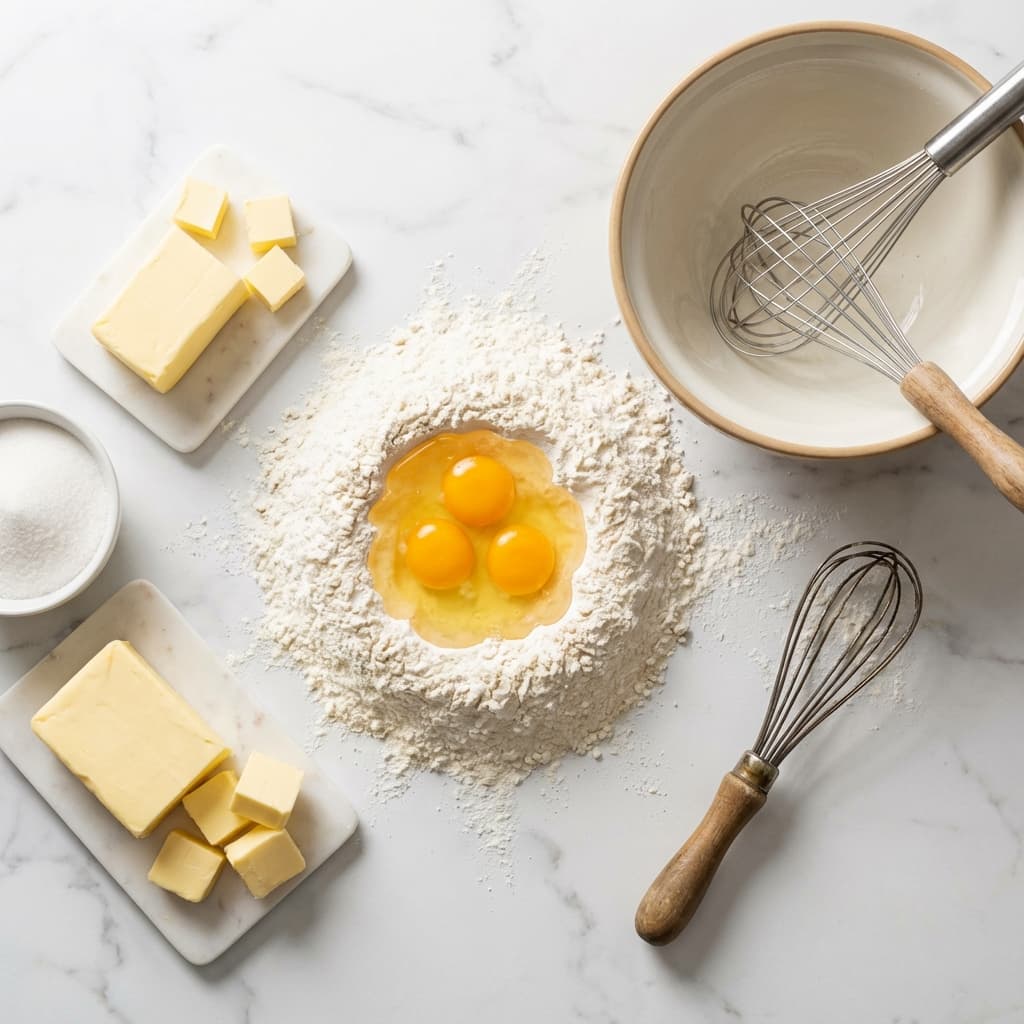
Welcome to Sweety's Bakery comprehensive guide to understanding leavening agents! These magical ingredients are what give baked goods their lift, c...
📑 Table of Contents
The Breath of Baking: Understanding Leavening Agents
Welcome to Sweety's Bakery comprehensive guide to understanding leavening agents! These magical ingredients are what give baked goods their lift, creating airy cakes, fluffy breads, and tender pastries. From chemical powders to living yeasts, mastering how leavening agents work is fundamental to controlling the texture and rise of all your creations.
The Science of Gas Production & Structural Support
Leavening agents work by producing gases (primarily carbon dioxide and sometimes steam) that are trapped within the dough or batter. As these gases expand during baking, they cause the mixture to rise, creating a light and airy texture. The science behind each type of leavener differs:
- Yeast: A living microorganism that ferments sugars, producing CO2 and alcohol.
- Baking Soda: A pure alkali that reacts with an acid (e.g., buttermilk, lemon juice) to produce CO2.
- Baking Powder: A mixture of baking soda, an acid (or two), and a starch. It often has a double-acting mechanism, releasing gas when wet and again when heated.
- Eggs/Steam: Whipped eggs incorporate air, and steam rapidly expands in high-moisture batters (like choux pastry), contributing to rise.
Tips & Variations for Using Leavening Agents
Tips for Optimal Leavening:
- Check Freshness: Leavening agents lose potency over time. Test baking soda with vinegar (should bubble) and baking powder with hot water (should bubble vigorously).
- Measure Precisely: Too much or too little leavening can drastically alter results. Use accurate measurements.
- Don't Overmix: Overmixing can knock out air bubbles created by leaveners, leading to dense bakes.
- Mind Your Acids: When using baking soda, ensure your recipe has an acidic ingredient to activate it.
Variations & Considerations:
- Baking Soda: Use in recipes with acidic ingredients (buttermilk, yogurt, brown sugar, cocoa powder) for a quick, strong lift.
- Baking Powder (Double-Acting): Provides two stages of lift, making it reliable. Use in recipes without significant acidic components.
- Yeast: For breads and enriched doughs, requiring longer proofing times for flavor development.
- Creaming Method: Creaming butter and sugar together incorporates air, acting as a mechanical leavener in cakes and cookies.
- Whipped Egg Whites: Creates airy textures in soufflés, meringues, and chiffon cakes.
- Combination Leavening: Many recipes use a combination of leaveners (e.g., baking soda + baking powder, or yeast + baking powder) for complex textures and rises.
- High-Altitude Adjustments: At higher altitudes, lower atmospheric pressure can cause excessive rise. Recipes often require reduced leavening agents.

Save Your Calculations?
Get the Bakery Business OS to save recipes, track inventory, and manage orders in one place.
Reclaim Your Time →
Sarah Aitdahan
Sarah Aitdahan is the founder of Sweety's Bakery and the creator of this website. A lifelong baker with a passion for perfecting the classics, she believes that baking should be accessible and joyful for everyone. This website is her way of giving back to the incredible baking community by providing free tools, resources, and recipes.
.JPG&w=400&q=75&output=webp)
.JPG&w=400&q=75&output=webp)
.JPG&w=400&q=75&output=webp)
.JPG&w=400&q=75&output=webp)
.JPG&w=400&q=75&output=webp)
.JPG&w=400&q=75&output=webp)
.JPG&w=400&q=75&output=webp)
.JPG&w=400&q=75&output=webp)
.JPG&w=400&q=75&output=webp)
.JPG&w=400&q=75&output=webp)