Sweet Chemistry: The Science of Sugar in Baking | Sweety's Bakery
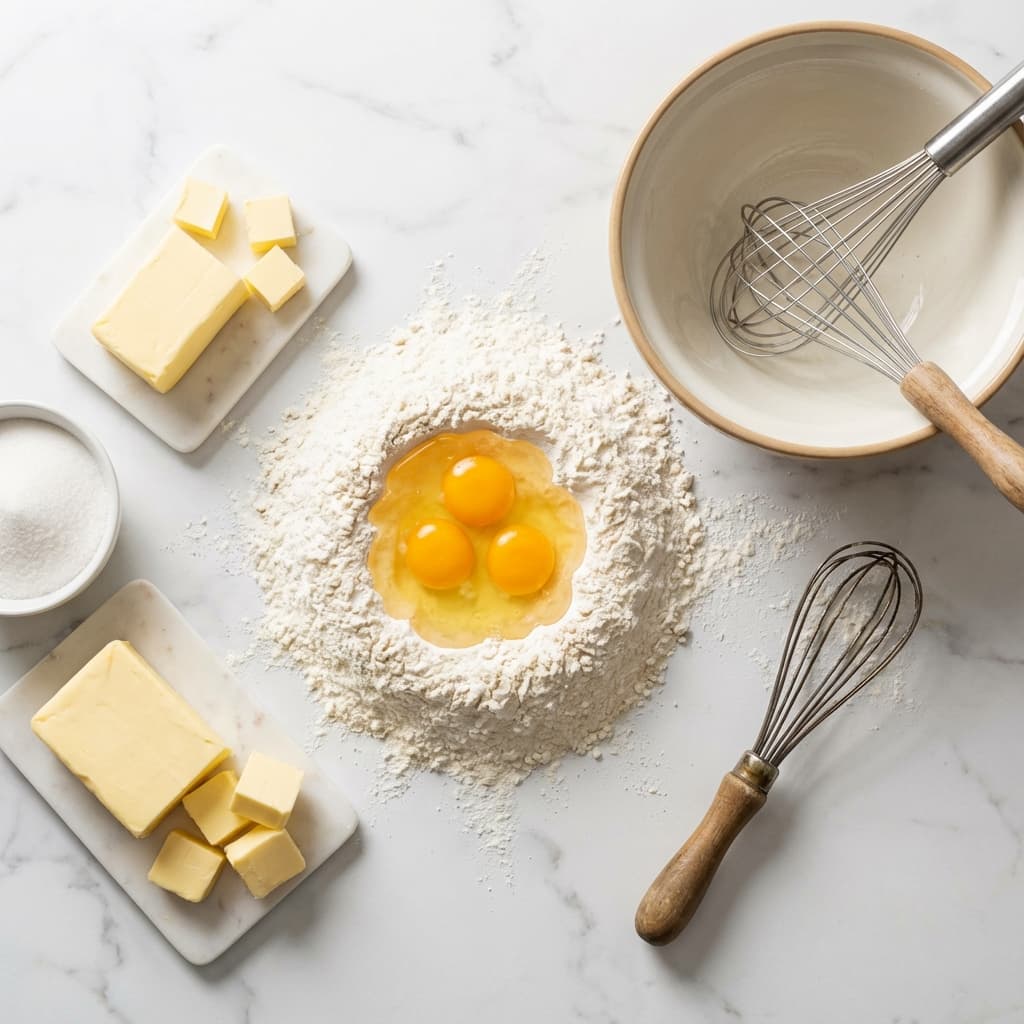
Welcome to Sweety's Bakery in-depth guide to understanding the crucial role of sugar in baking. Far beyond just providing sweetness, sugar is a mul...
📑 Table of Contents
Sweet Chemistry: The Science of Sugar in Baking
Welcome to Sweety's Bakery in-depth guide to understanding the crucial role of sugar in baking. Far beyond just providing sweetness, sugar is a multi-functional ingredient that significantly impacts the texture, color, moisture, and structure of your baked goods. This article delves into the fascinating science behind sugar and how to control its properties for perfect results.
The Science of Sweetness, Tenderness & Moisture Retention
Sugar is a powerhouse in baking chemistry. Its primary functions include:
- Sweetness: Activating taste receptors.
- Tenderizing: By interfering with gluten development and egg protein coagulation, sugar creates a softer, more tender crumb.
- Moisture Retention: Sugar is hygroscopic, meaning it attracts and holds water, contributing to the moistness and extended shelf life of baked goods.
- Browning: Sugar participates in both caramelization (when sugar itself breaks down under heat) and the Maillard reaction (reaction with proteins), creating desirable golden-brown crusts and complex flavors.
- Leavening: Creaming sugar with fat creates air pockets, contributing to leavening.
- Stabilizing: In meringues, sugar stabilizes whipped egg whites.
Tips & Variations for Using Sugar in Baking
Tips for Optimal Sugar Use:
- Measure Precisely: Especially for cakes and pastries, accurate sugar measurement is crucial for texture and sweetness balance.
- Understand Sugar Types: Different sugars (granulated, brown, powdered) have unique properties that affect texture and moisture.
- Don't Reduce Drastically: Reducing sugar significantly can impact not just sweetness, but also moisture, texture, and browning. Make gradual adjustments if necessary.
- Creaming Method: For cakes and cookies, creaming butter and sugar together creates air pockets that contribute to a light texture.
Variations & Considerations:
- Granulated Sugar: Most common, provides crispness and promotes spread.
- Brown Sugar: Contains molasses, adding moisture, chewiness, and a caramel-like flavor.
- Powdered Sugar (Confectioners' Sugar): Contains cornstarch (anti-caking), used for frostings and dusting. Dissolves easily.
- Liquid Sweeteners (Honey, Maple Syrup, Agave): Contribute moisture and distinct flavors. May require reducing other liquids in a recipe.
- Artificial Sweeteners: Vary widely in their baking performance. Often lack bulk and browning properties of sugar, requiring adjustments.
- Caramelization: Control temperature for even caramelization in toppings or sauces.
- Invert Sugars: Honey and corn syrup contain invert sugars, which help prevent crystallization and keep baked goods moist.
- Sugar Reduction: Experiment with gradually reducing sugar by 10-20% in some recipes without major impact, but test results.

Save Your Calculations?
Get the Bakery Business OS to save recipes, track inventory, and manage orders in one place.
Reclaim Your Time →
Sarah Aitdahan
Sarah Aitdahan is the founder of Sweety's Bakery and the creator of this website. A lifelong baker with a passion for perfecting the classics, she believes that baking should be accessible and joyful for everyone. This website is her way of giving back to the incredible baking community by providing free tools, resources, and recipes.
.JPG&w=400&q=75&output=webp)
.JPG&w=400&q=75&output=webp)
.JPG&w=400&q=75&output=webp)
.JPG&w=400&q=75&output=webp)
.JPG&w=400&q=75&output=webp)
.JPG&w=400&q=75&output=webp)
.JPG&w=400&q=75&output=webp)
.JPG&w=400&q=75&output=webp)
.JPG&w=400&q=75&output=webp)
.JPG&w=400&q=75&output=webp)