Protein Power: Understanding Macronutrients in Baking | Sweety's Bakery
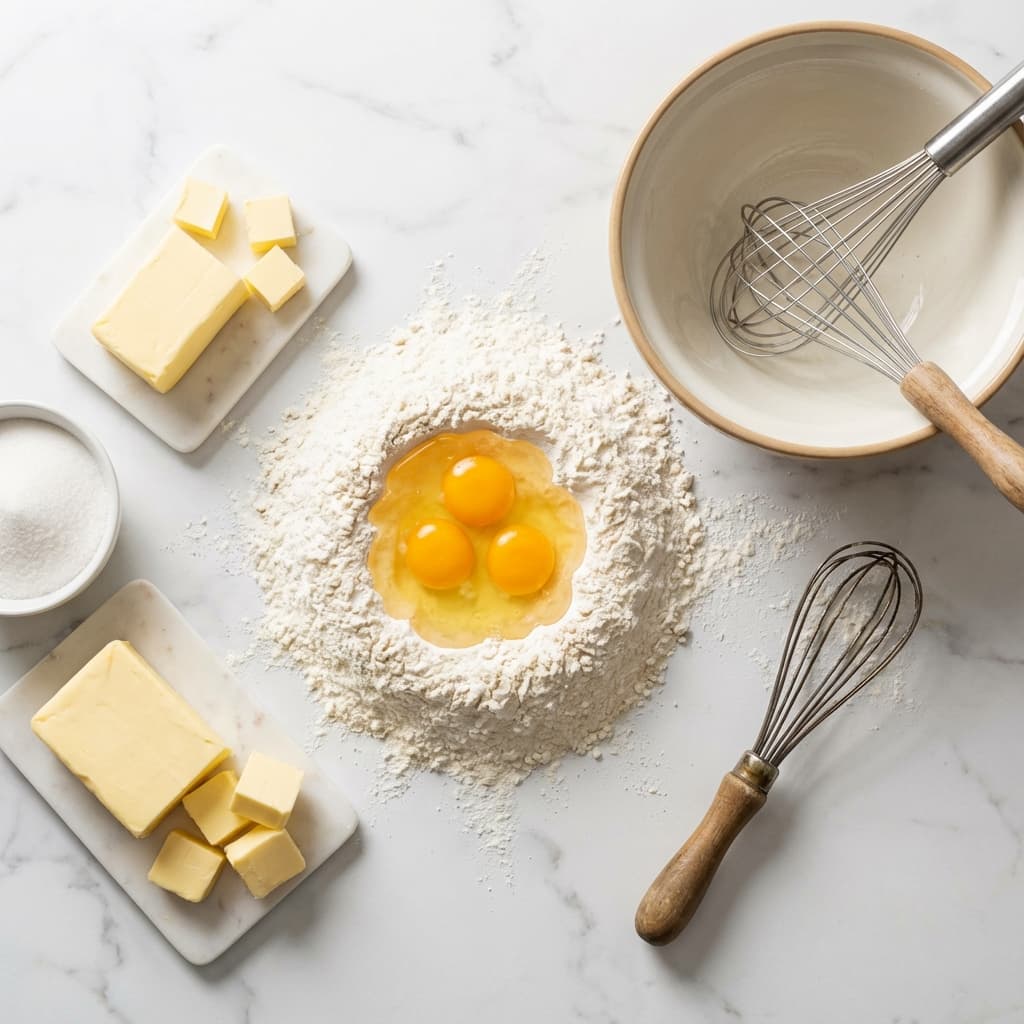
Welcome to Sweety's Bakery guide on understanding protein macronutrients in baking. While often associated with fitness and diet, the role of prote...
📑 Table of Contents
Protein Power: Understanding Macronutrients in Baking
Welcome to Sweety's Bakery guide on understanding protein macronutrients in baking. While often associated with fitness and diet, the role of protein in baked goods is fundamental to their structure, texture, and overall quality. This article delves into how different protein sources impact your baking, helping you achieve desired results from delicate pastries to robust breads.
The Science of Protein Structure
Proteins in baking, primarily gluten in wheat flour, provide the structural framework. When flour is mixed with water, proteins (glutenin and gliadin) combine to form gluten, a network that traps gases produced by leavening agents, allowing dough to rise. The amount and type of protein directly correlate with the strength and elasticity of this network. High-protein flours (like bread flour) develop strong gluten for chewy breads, while lower-protein flours (like cake flour) create tender cakes and pastries. Beyond gluten, proteins from eggs or dairy also contribute to structure, moisture, and browning through complex chemical interactions during baking.

Tips & Variations for Protein Macronutrients
Tips for Managing Protein in Baking:
- Choose the Right Flour: Select flours based on their protein content for your desired outcome (e.g., high protein for bread, low protein for tender cakes).
- Control Gluten Development: Understand that mixing time and hydration affect gluten. Over-mixing high-protein dough can lead to toughness, while under-mixing can result in poor structure.
- Consider Protein Supplements: If experimenting with protein powders (whey, casein, plant-based), be aware they absorb liquids differently and can alter texture. Start with small additions.
- Balance with Other Macros: Ensure a good balance with fats and carbohydrates; too much protein without enough fat can make baked goods dry or tough.
Variations & Applications:
- High-Protein Bakes: Incorporate protein powders, Greek yogurt, or cottage cheese into muffins, pancakes, or bread for added nutritional value and different textures.
- Gluten-Free Baking: Understand that gluten-free flours lack the natural protein network; you'll need binders like xanthan gum or psyllium husk to mimic gluten's structural role.
- Vegan Baking: Explore plant-based protein sources like chickpea flour, soy protein, or nut flours, adjusting liquids and binders as necessary.
- Enriching Doughs: Adding eggs, milk, or dairy products increases protein content, leading to richer flavor, softer crumb, and enhanced browning in breads and pastries.
Save Your Calculations?
Get the Bakery Business OS to save recipes, track inventory, and manage orders in one place.
Reclaim Your Time →
Sarah Aitdahan
Sarah Aitdahan is the founder of Sweety's Bakery and the creator of this website. A lifelong baker with a passion for perfecting the classics, she believes that baking should be accessible and joyful for everyone. This website is her way of giving back to the incredible baking community by providing free tools, resources, and recipes.
.JPG&w=400&q=75&output=webp)
.JPG&w=400&q=75&output=webp)
.JPG&w=400&q=75&output=webp)
.JPG&w=400&q=75&output=webp)
.JPG&w=400&q=75&output=webp)
.JPG&w=400&q=75&output=webp)
.JPG&w=400&q=75&output=webp)
.JPG&w=400&q=75&output=webp)
.JPG&w=400&q=75&output=webp)
.JPG&w=400&q=75&output=webp)