Seamless Baking: Your Guide to Measurement Conversions | Sweety's Bakery
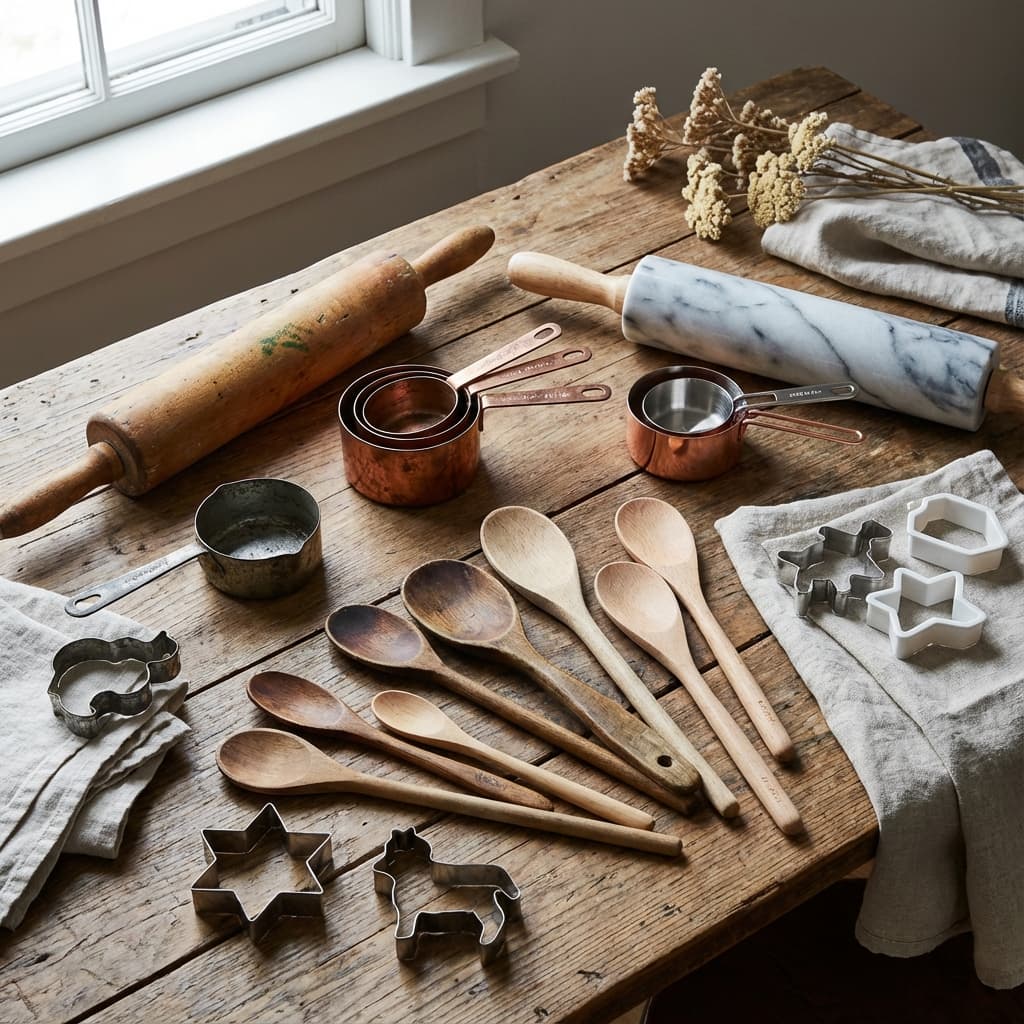
Welcome to Sweety's Bakery essential guide to baking measurement conversions, a crucial skill for achieving consistent and accurate results in the ...
📑 Table of Contents
Seamless Baking: Your Guide to Measurement Conversions
Welcome to Sweety's Bakery essential guide to baking measurement conversions, a crucial skill for achieving consistent and accurate results in the kitchen. Whether you're working with international recipes, adjusting batch sizes, or simply don't have the right tools, understanding how to convert between different units (grams, cups, ounces, milliliters) is invaluable. This article will simplify the process, ensuring your baking always goes smoothly.
The Science of Precise Measuring
The science behind accurate measurements, especially in baking, is rooted in the precision of ingredient ratios. Unlike cooking, where approximations often work, baking is a chemical process. Volume measurements (like cups) can be highly inconsistent due to variations in how ingredients are packed, humidity, and particle size. For example, a cup of flour can weigh differently depending on how it's scooped. Weight measurements (grams, ounces) provide consistency because a gram is always a gram, eliminating these variables and ensuring the precise chemical balance required for optimal texture, rise, and flavor development.

Tips & Variations for Measurement Conversion
Tips for Effective Measurement Conversion:
- Prioritize Weight: Always convert to and measure by weight (grams or ounces) whenever possible. A good digital scale is a baker's best friend.
- Ingredient Specificity: Remember that conversion factors vary by ingredient. 1 cup of flour does not weigh the same as 1 cup of sugar or 1 cup of water. Use reliable conversion charts.
- Online Converters: Utilize online baking converters or apps for quick and accurate conversions, especially for obscure units or ingredients.
- Round Sensibly: When converting to new units, round to a practical measurement that still maintains accuracy (e.g., don't aim for 17.34 grams unless your scale is that precise).
Variations & Considerations:
- Metric vs. Imperial: Familiarize yourself with common metric (grams, milliliters) and imperial (cups, ounces, pounds) equivalents. Most professional recipes use metric for precision.
- Liquid vs. Dry: Liquid measurements are more consistent by volume than dry ingredients, but weight is still preferred for critical liquid components.
- Recipe Context: Consider the recipe's origin. European recipes almost exclusively use weight, while American recipes often use volume. Converting can prevent errors.
- Batch Adjustments: When scaling a recipe up or down, convert all ingredients to weight first, then scale, and finally convert back to your desired measurement units if necessary (though staying in weight is best).
Save Your Calculations?
Get the Bakery Business OS to save recipes, track inventory, and manage orders in one place.
Reclaim Your Time →
Sarah Aitdahan
Sarah Aitdahan is the founder of Sweety's Bakery and the creator of this website. A lifelong baker with a passion for perfecting the classics, she believes that baking should be accessible and joyful for everyone. This website is her way of giving back to the incredible baking community by providing free tools, resources, and recipes.
.JPG&w=400&q=75&output=webp)
.JPG&w=400&q=75&output=webp)
.JPG&w=400&q=75&output=webp)
.JPG&w=400&q=75&output=webp)
.JPG&w=400&q=75&output=webp)
.JPG&w=400&q=75&output=webp)
.JPG&w=400&q=75&output=webp)
.JPG&w=400&q=75&output=webp)
.JPG&w=400&q=75&output=webp)
.JPG&w=400&q=75&output=webp)