The Ultimate Guide: A Foolproof How to Make Sugar Cookies Recipe
Rate this Recipe
This post may contain affiliate links. Please read my disclosure policy.
Master the art of sugar cookies! This foolproof guide covers everything from ingredient science to chilling tips for perfect, no-spread cookies every time.
📑 Table of Contents
- The Ultimate Guide: A Foolproof How to Make Sugar Cookies Recipe
- Why This Recipe Works Every Time
- The Science of Baking: Ingredients Matter
- Equipment You Will Need
- Step-by-Step Instructions: Executing Your How to Make Sugar Cookies Recipe
- Rolling, Cutting, and Baking to Perfection
- Troubleshooting Common Baking Issues
- Decorating and Flavor Variations
- Freezing and Storage Tips for Make-Ahead Baking
The Ultimate Guide: A Foolproof How to Make Sugar Cookies Recipe
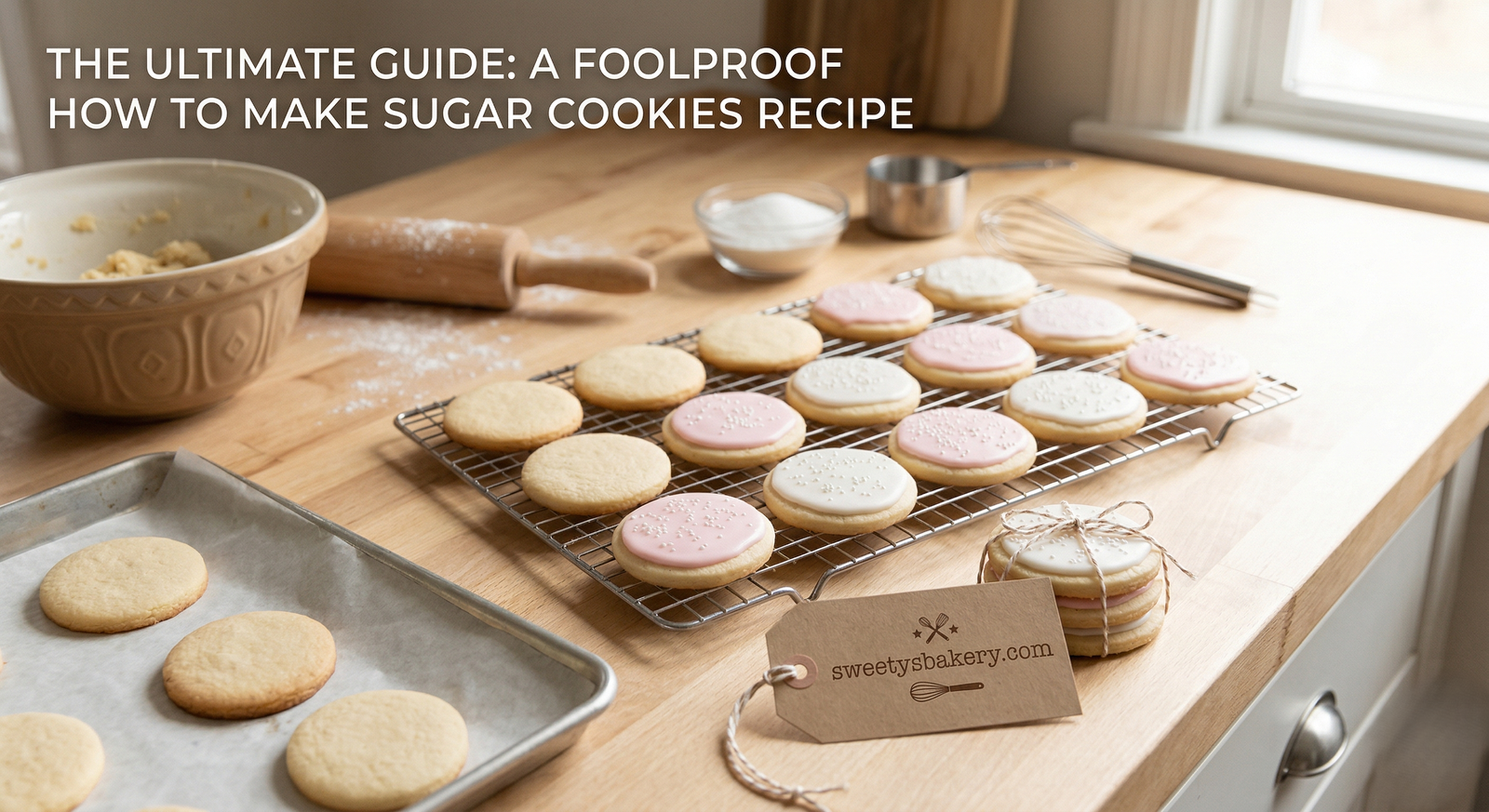
Are you ready to bake the most spectacular, melt-in-your-mouth treats of your life? If you have been endlessly searching the internet for a reliable how to make sugar cookies recipe, your search ends right here. Whether you are preparing for a festive holiday gathering, a school bake sale, or simply satisfying a weekend sweet tooth, mastering this classic dessert is a crucial skill for any home baker looking to impress their friends, family, or website readers.
Many bakers struggle with dough that spreads too much in the hot oven, resulting in unrecognizable blobs instead of crisp, beautiful shapes. That is exactly why finding a trustworthy how to make sugar cookies recipe is so important. This comprehensive guide will walk you through every single detail, from the exact temperature your butter should be to the precise moment you should pull your baking sheet out of the oven. We have tested this extensively to ensure that this is the only easy homemade sugar cookie recipe from scratch you will ever need to achieve perfection. For more scientific insights into why cookies spread, check out Serious Eats' Science of Sugar Cookies.
Why This Recipe Works Every Time
When evaluating a how to make sugar cookies recipe, the ratio of ingredients is the single most critical factor. Too much butter, and the cookies spread flat across the pan. Too much flour, and they become remarkably tough and dry to eat. This specific method strikes the absolute perfect balance. It delivers a cookie that features crisp, sharply defined edges—perfect for intricate cookie cutters—while maintaining a remarkably soft, tender, and chewy center that practically melts in your mouth. If you need to adjust the batch size, our Recipe Scaler can help you get the proportions exactly right.
Furthermore, this dough is incredibly forgiving and easy to work with. Unlike other delicate pastries that require advanced French baking techniques, this method is straightforward and accessible. Even if you are a complete beginner in the kitchen, following these detailed steps will yield professional-quality results that look and taste like they came straight from a high-end commercial bakery.
The Science of Baking: Ingredients Matter
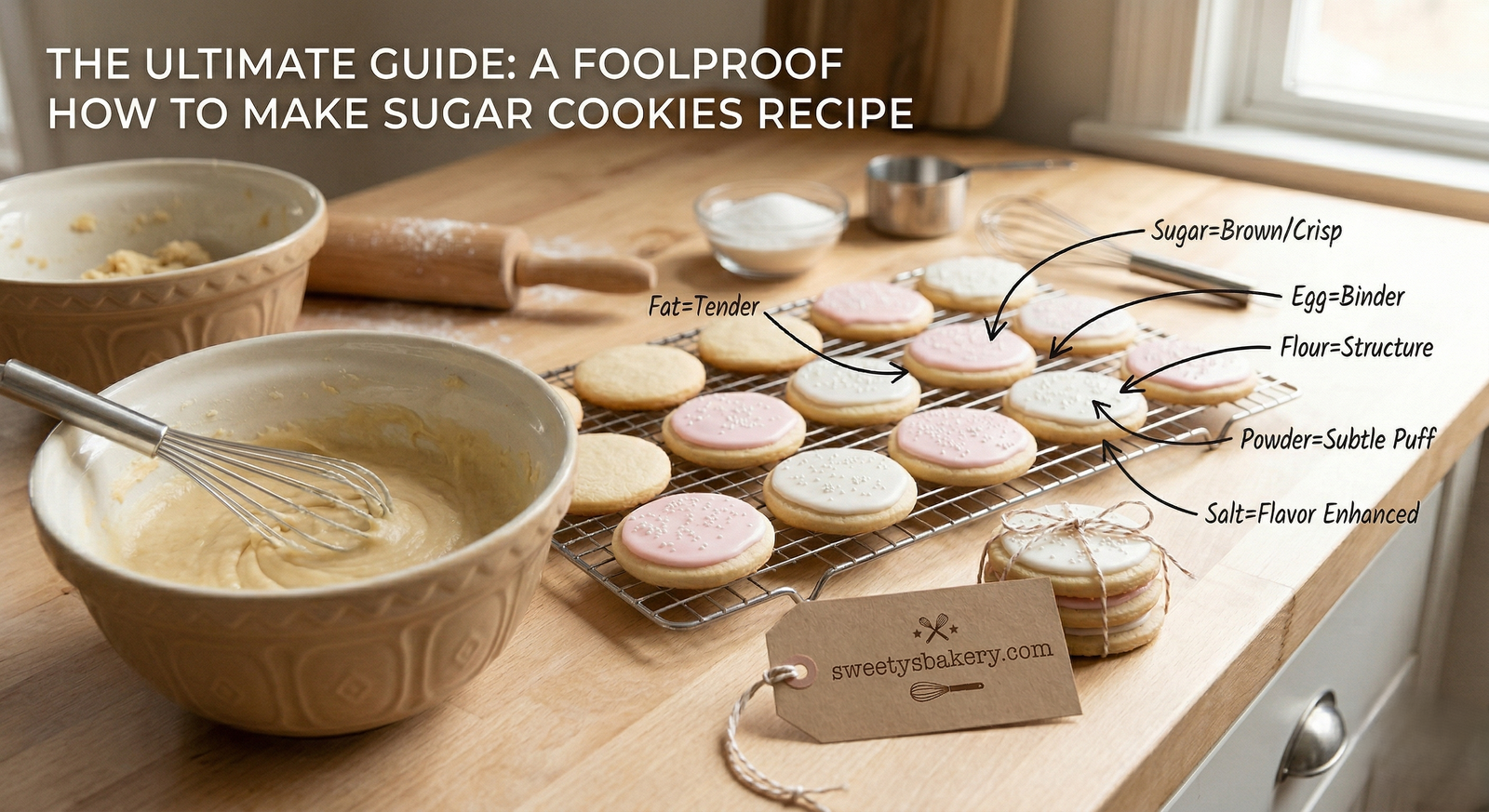
To understand why this how to make sugar cookies recipe is so effective, we need to break down the fundamental science behind the ingredients. Baking is essentially a delicious chemistry experiment, and every single component plays a highly specific role in the final outcome. You can explore these ratios further using our Baker's Percentage Calculator.
- Unsalted Butter (1 cup / 2 sticks):
Butter provides the essential flavor and tenderness. It must be unsalted so you can control the overall sodium level in the final bake. More importantly, it must be softened to room temperature—not melted, and not rock hard. It should yield slightly when gently pressed with a finger but still hold its physical shape.
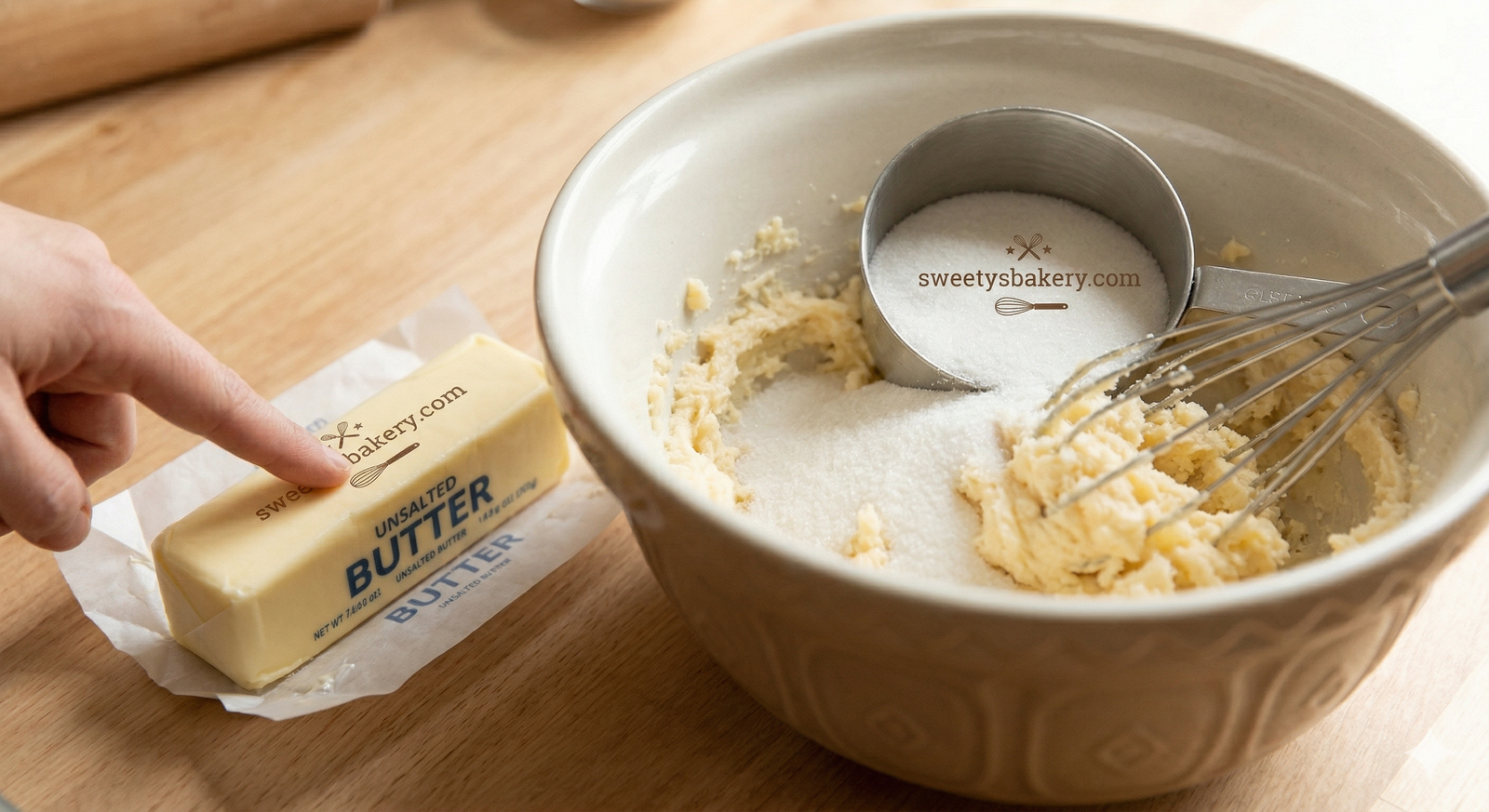
- Granulated Sugar (1 cup): Sugar does much more than just sweeten the dough; it helps the cookies brown beautifully and creates those desirable crisp edges. Granulated sugar aerates the butter during the creaming process, giving the cookies a slight, necessary lift.
- Large Egg (1, room temperature):
The egg acts as the primary binder, seamlessly holding the fat and the flour together. A room-temperature egg incorporates much more smoothly into the butter and sugar mixture than a cold one straight from the fridge.
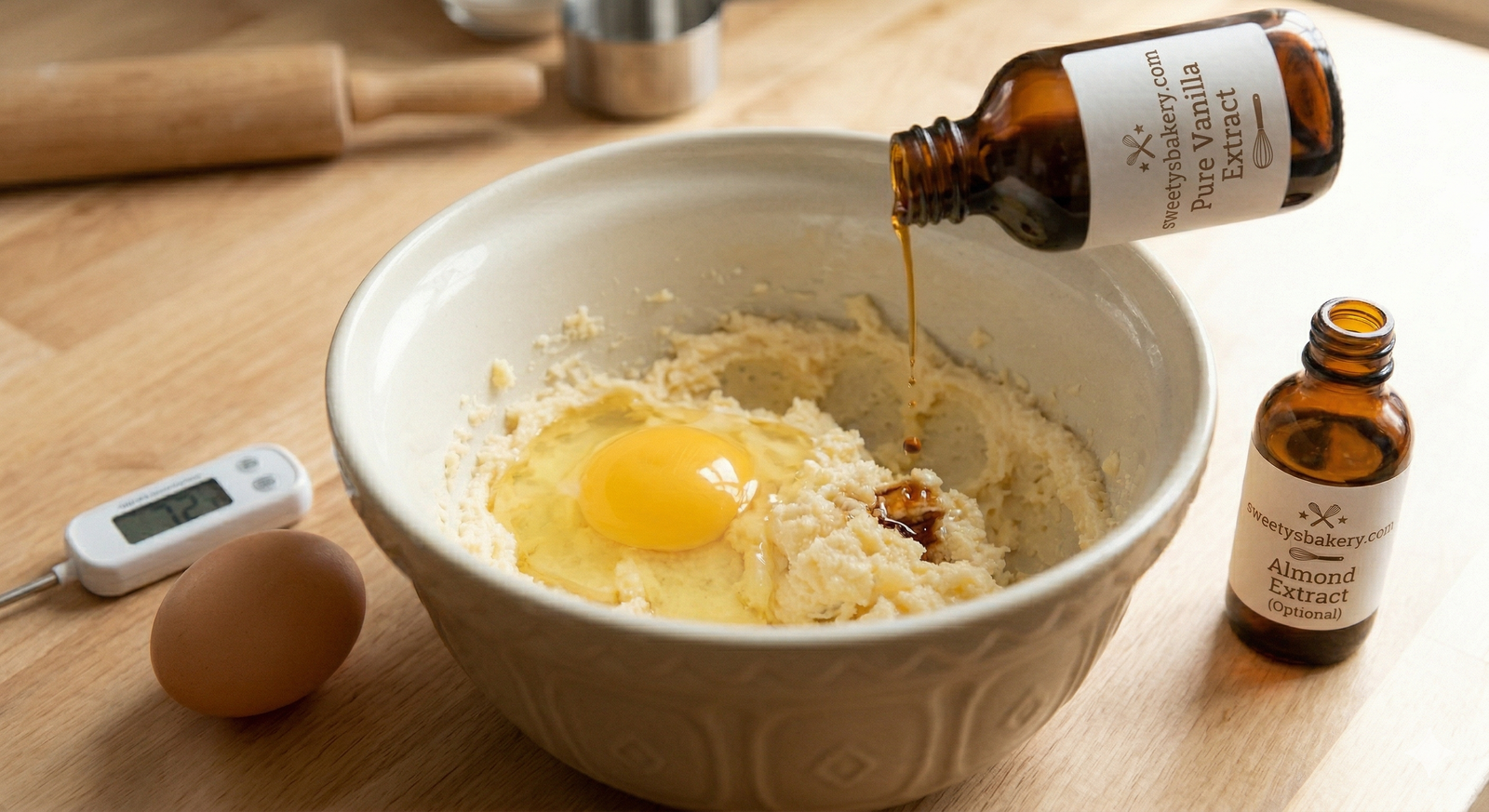
- Pure Vanilla Extract (1.5 teaspoons): This is your primary flavor profile. Always use pure vanilla extract rather than imitation vanilla flavoring for the deepest, most authentic taste.
- Almond Extract (1/2 teaspoon - Optional but Highly Recommended): This is the secret bakery ingredient. A tiny splash of almond extract elevates the flavor profile from simple to extraordinarily complex.
- All-Purpose Flour (3 cups):
The structural foundation of your cookie. It is absolutely crucial to measure your flour correctly using the "spoon and level" method. Do not scoop the measuring cup directly into the bag, as this compacts the flour and will inevitably lead to dense, dry, and heavy cookies. For a visual guide on this technique, see King Arthur Baking's guide on measuring flour.
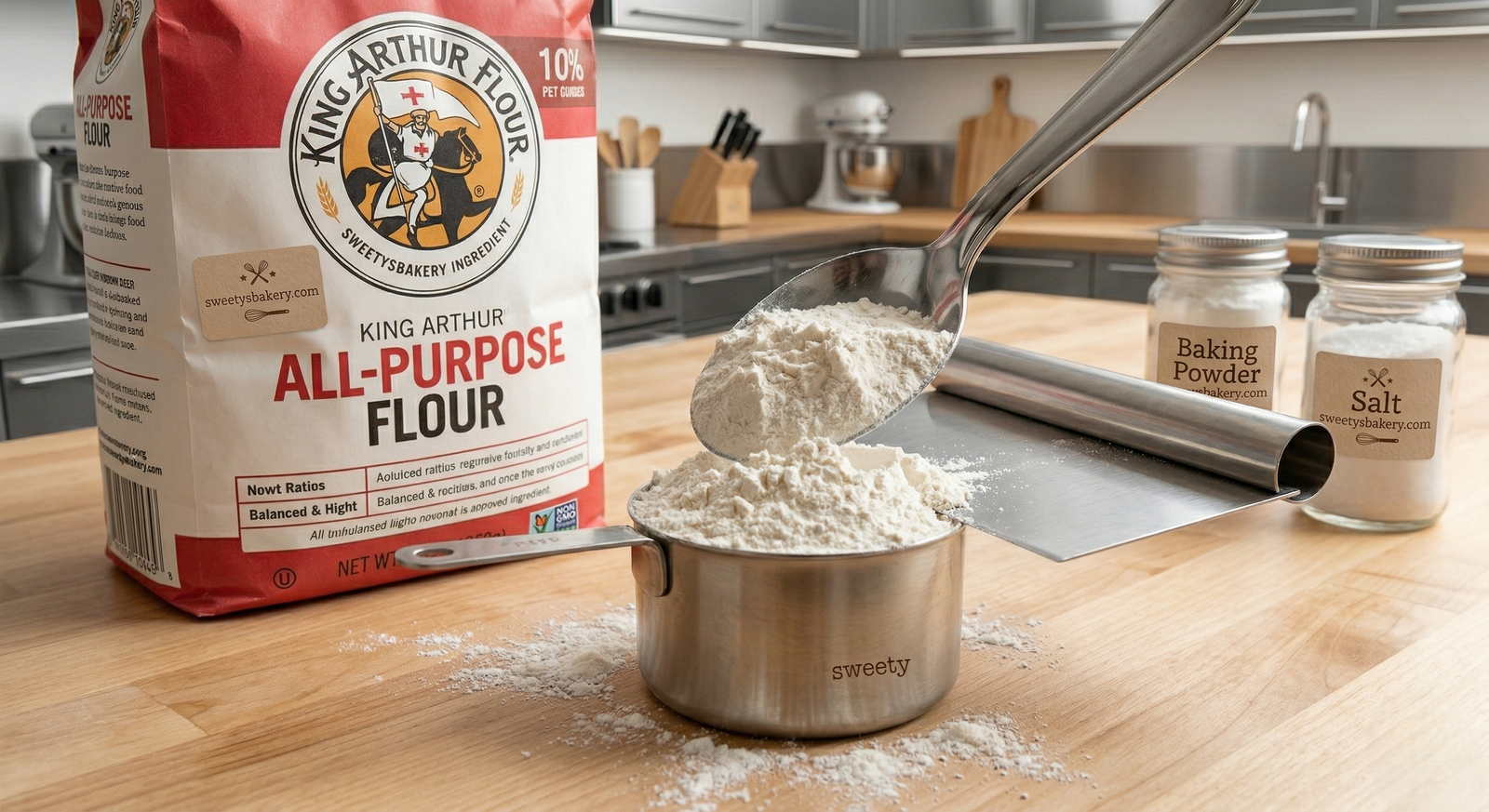
- Baking Powder (1.5 teaspoons): This specific leavening agent gives the cookies a tiny amount of puff and lightness without causing them to spread outward and lose their carefully cut shape.
- Salt (1/2 teaspoon): Salt is strictly essential in baking to balance the intense sweetness and aggressively enhance all the other subtle flavors present in the dough.
Equipment You Will Need
Before diving into this how to make sugar cookies recipe, ensure you have the right tools prepared on your counter. Having everything prepped (a concept known as mise en place) makes the baking process smooth, organized, and highly enjoyable.
- Stand mixer or a powerful electric hand mixer
- Large mixing bowls (glass or stainless steel)
- Flexible silicone spatula
- Standard measuring cups and spoons (or a digital scale for better accuracy—use our Measurement Converter if needed)
- Rolling pin (preferably an adjustable one with thickness guide rings)
- Parchment paper or reusable silicone baking mats
- Heavy-duty baking sheets (light-colored pans prevent the bottoms from burning prematurely)
- Your favorite metal or plastic cookie cutters
- Wire cooling racks for proper air circulation
Step-by-Step Instructions: Executing Your How to Make Sugar Cookies Recipe
Now that your premium ingredients and equipment are ready, let's walk through the actual process. Do not rush these fundamental steps; patience is the secret ingredient for success.
Step 1: The Creaming Process
Begin by placing your softened unsalted butter and granulated sugar into the bowl of your stand mixer fitted with the paddle attachment (or a large bowl if using a hand mixer). Beat them together on medium-high speed for about 2 to 3 full minutes. The mixture should transform from a dense, dark yellow paste into a light, fluffy, and pale cream. This step beats vital air into the butter, which is required for the final texture of the cookie. Scrape down the sides and bottom of the bowl with your silicone spatula halfway through the process.
Step 2: Incorporating the Wet Ingredients
Turn the mixer down to a low speed setting. Carefully add the room-temperature egg, the pure vanilla extract, and the almond extract (if using). Mix just until these liquids are fully absorbed into the butter mixture. The batter might look slightly separated or curdled for a brief moment; this is entirely normal. Scrape the bowl down again to ensure everything is fully homogeneous.
Step 3: Whisking the Dry Ingredients
In a separate, medium-sized bowl, vigorously whisk together the properly measured all-purpose flour, baking powder, and salt. Whisking ensures the leavening agent and salt are perfectly and evenly distributed throughout the flour, preventing any flat spots or overly salty bites in your finished baked goods.
Step 4: Combining Wet and Dry
With your mixer on the lowest possible speed, gradually add the dry ingredient mixture to the wet ingredients. It is usually best to do this in three separate additions to prevent a flour cloud. Mix only until the white streaks of flour disappear and the dough starts to naturally pull away from the sides of the bowl. Overmixing at this exact stage activates the gluten in the flour, which will result in tough, hard cookies rather than the tender ones you desire.
Step 5: The Crucial Chilling Phase
This is the most important step in this entire how to make sugar cookies recipe. Turn the dough out onto a clean work surface and divide it cleanly into two equal halves. Shape each half into a flat, round disc and wrap them tightly in plastic wrap. Refrigerate the dough discs for a minimum of 2 hours, though leaving them overnight is even better for flavor development. Chilling solidifies the butter, which actively prevents the cookies from spreading in the hot oven. It also allows the flour to fully hydrate, resulting in a much better overall flavor and texture.
Rolling, Cutting, and Baking to Perfection
Once your dough is thoroughly chilled and rested, it is time for the fun and creative part of the process.
Step 6: Rolling the Dough
Preheat your oven to 350°F (175°C). If you are using a convection oven, you might need our Oven Temperature Converter to adjust the heat properly. Line your heavy-duty baking sheets with parchment paper. Remove one disc of dough from the refrigerator. Lightly flour your clean work surface and your rolling pin. Roll the dough out to an even 1/4-inch thickness. If the dough feels far too hard to roll, let it sit at room temperature for about 5 to 10 minutes. If it becomes far too warm and sticky while rolling, simply place it back in the fridge for 10 minutes to firm up again.
Step 7: Cutting the Shapes
Dip the sharp edges of your cookie cutters in a little bit of flour to prevent the dough from sticking. Press the cutters straight down into the dough—do not twist them, as twisting seals the delicate edges and prevents the cookies from rising evenly in the oven. Maximize your dough yield by cutting the shapes as close together as physically possible. Transfer the cut-outs to your prepared baking sheets, leaving about 1 inch of clear space between each cookie. Gather the remaining dough scraps, gently press them back together without over-kneading, and re-roll them to cut out more shapes.
Save Your Calculations?
Get the Bakery Business OS to save recipes, track inventory, and manage orders in one place.
Reclaim Your Time →Step 8: The Bake
Place the baking sheets into the center rack of the preheated oven. Bake for exactly 8 to 11 minutes. The exact baking time depends entirely on the size of your chosen cookie cutters. Small, delicate shapes might be perfectly done in 8 minutes, while larger, thicker ones might take 11 or 12. You are looking for cookies that are visually set in the center and just barely beginning to turn a very light golden brown around the very bottom edges. They will still look slightly soft on top when you pull them out, but they will continue to firm up perfectly as they cool down.
Step 9: Proper Cooling
Allow the baked cookies to rest undisturbed on the hot baking sheet for exactly 5 minutes before carefully transferring them to a wire cooling rack with a thin, flexible spatula. Let them cool completely to room temperature before attempting to apply any icing or decorations, otherwise, the frosting will immediately melt off.
Troubleshooting Common Baking Issues
Even with the best how to make sugar cookies recipe, minor issues can occasionally arise in the kitchen. Here is exactly how to fix them quickly:
- The dough is too crumbly: If your dough will not come together and looks sandy, you likely over-measured your flour. Add exactly one teaspoon of milk to the dough and gently knead it until it holds together smoothly.
- The cookies spread in the oven: This almost always means the butter got too warm before baking. Ensure you chill the dough for the full 2 hours. If your kitchen environment is very hot, you can pop the entire baking sheet with the cut-out cookies into the freezer for 10 minutes right before baking. For more tips, visit the Exploratorium's Science of Cooking.
- The cookies are incredibly tough: This is exclusively caused by overmixing the dough in the mixer or over-rolling the scraps too many times. Always handle the dough as gently and as little as possible.
Decorating and Flavor Variations
A perfect how to make sugar cookies recipe deserves a perfect topping to truly make it shine on a dessert table or on your Sweety's Bakery feed.
- Classic Royal Icing: For professional-looking, glossy cookies with intricate, beautiful details, royal icing is the ultimate way to go. It hardens completely smooth, making the cookies perfect for stacking, packaging in cellophane bags, or gifting to loved ones.
- Rich Buttercream Frosting: If you prefer a soft, rich, and incredibly fluffy topping, a classic vanilla or cream cheese buttercream is incredible. Spread it on thick with an offset spatula or beautifully pipe it on in rosettes and swirls.
- Citrus Zest Variation: Want to change up the flavor profile entirely? Rub a tablespoon of fresh lemon or orange zest directly into the granulated sugar before creaming it with the butter. The oils in the zest will infuse the entire batch with bright, fresh flavor.
Freezing and Storage Tips for Make-Ahead Baking
One of the best things about this how to make sugar cookies recipe is how exceptionally well it stores, making it ideal for busy schedules or holiday prep.
- Storing Baked Cookies: Undecorated, fully baked cookies will stay remarkably fresh in an airtight container at room temperature for up to one full week. Decorated cookies will also last about a week, though buttercream-frosted cookies should ideally be refrigerated if your kitchen is warm.
- Freezing Baked Cookies: You can easily freeze fully baked, undecorated cookies in freezer-safe bags or heavy-duty containers for up to 3 months. Simply thaw them at room temperature before decorating.
- Freezing Raw Dough: The raw dough freezes beautifully. Wrap the unbaked discs tightly in double layers of heavy plastic wrap and freeze for up to 3 months. Let the frozen dough thaw slowly in the refrigerator overnight before rolling, cutting, and baking.
Baking should always be a joyful, stress-free creative experience. By following the precise steps and scientific principles outlined in this guide, you will be consistently producing bakery-tier treats in no time at all. Don't forget to use our suite of bakery management tools and professional baking calculators to ensure perfection every time!

Sarah Aitdahan
Sarah Aitdahan is the founder of Sweety's Bakery and the creator of this website. A lifelong baker with a passion for perfecting the classics, she believes that baking should be accessible and joyful for everyone. This website is her way of giving back to the incredible baking community by providing free tools, resources, and recipes.