Weighty Matters: Your Baking Weight Converter Guide
This post may contain affiliate links. Please read my disclosure policy.

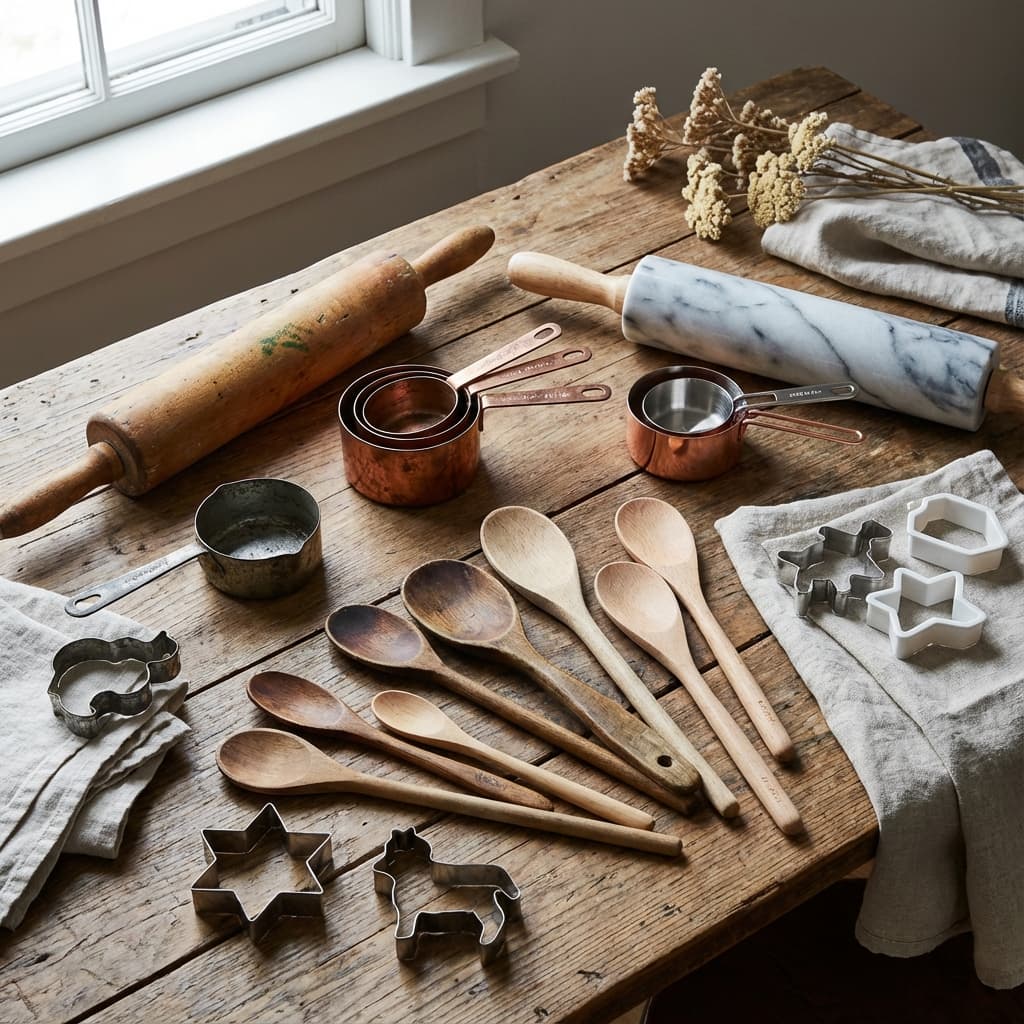
Welcome to Sarah Ait dahan's essential guide to baking weight conversions. In the world of baking, precision is paramount, and measuring by weight is...
📑 Table of Contents
Weighty Matters: Your Baking Weight Converter Guide
Welcome to Sarah Ait dahan's essential guide to baking weight conversions. In the world of baking, precision is paramount, and measuring by weight is universally recognized as the most accurate method. This article will help you understand the importance of weight measurement, how to convert effectively between different units (grams, ounces, pounds), and ensure your recipes achieve consistent, delicious results every time.
The Science of Precise Weight Measurement
Baking is a science of ratios and chemical reactions, where even slight variations in ingredient quantities can significantly impact the final product. Unlike volume measurements (e.g., cups), which can be inconsistent due to ingredient packing density, humidity, or particle size, weight measurements are absolute. A gram of flour is always a gram of flour. This accuracy ensures that the precise balance of ingredients needed for proper gluten development, leavening activation, and moisture content is maintained, leading to predictable textures, consistent rise, and superior flavor in your baked goods.

Tips & Variations for Weight Conversion
Tips for Accurate Weight Conversion:
- Invest in a Digital Scale: A good quality digital kitchen scale is the single most important tool for accurate baking.
- Tare Function: Utilize your scale's tare (zero) function to measure multiple ingredients directly into the same bowl, saving time and dishes.
- Use Grams: For the highest precision, especially in smaller quantities, measure in grams.
- Consult Conversion Charts: Keep reliable conversion charts handy for translating between grams, ounces, and pounds, as well as converting from volume (cups) to weight for common baking ingredients.
Variations & Considerations:
- Metric vs. Imperial: Be comfortable with both grams (metric) and ounces/pounds (imperial). Many professional and international recipes use grams.
- Ingredient Specificity: Conversion factors from volume to weight are ingredient-specific. 1 cup of flour weighs differently than 1 cup of sugar. Always refer to ingredient-specific data.
- Flour Type Differences: Different types of flour (e.g., all-purpose, bread, whole wheat) can have slightly different weights per cup. Weighing eliminates this variability.
- Benefits in High-Altitude Baking: Accurate weight measurement becomes even more critical in high-altitude baking where ingredient balance is often more delicate due to changes in atmospheric pressure.
Save Your Calculations?
Get the Bakery Business OS to save recipes, track inventory, and manage orders in one place.
Reclaim Your Time →
Sarah Aitdahan
Sarah Aitdahan is the founder of Sweety's Bakery and the creator of this website. A lifelong baker with a passion for perfecting the classics, she believes that baking should be accessible and joyful for everyone. This website is her way of giving back to the incredible baking community by providing free tools, resources, and recipes.